10 Ergonomic Tips to Enhance Your Home Office Setup
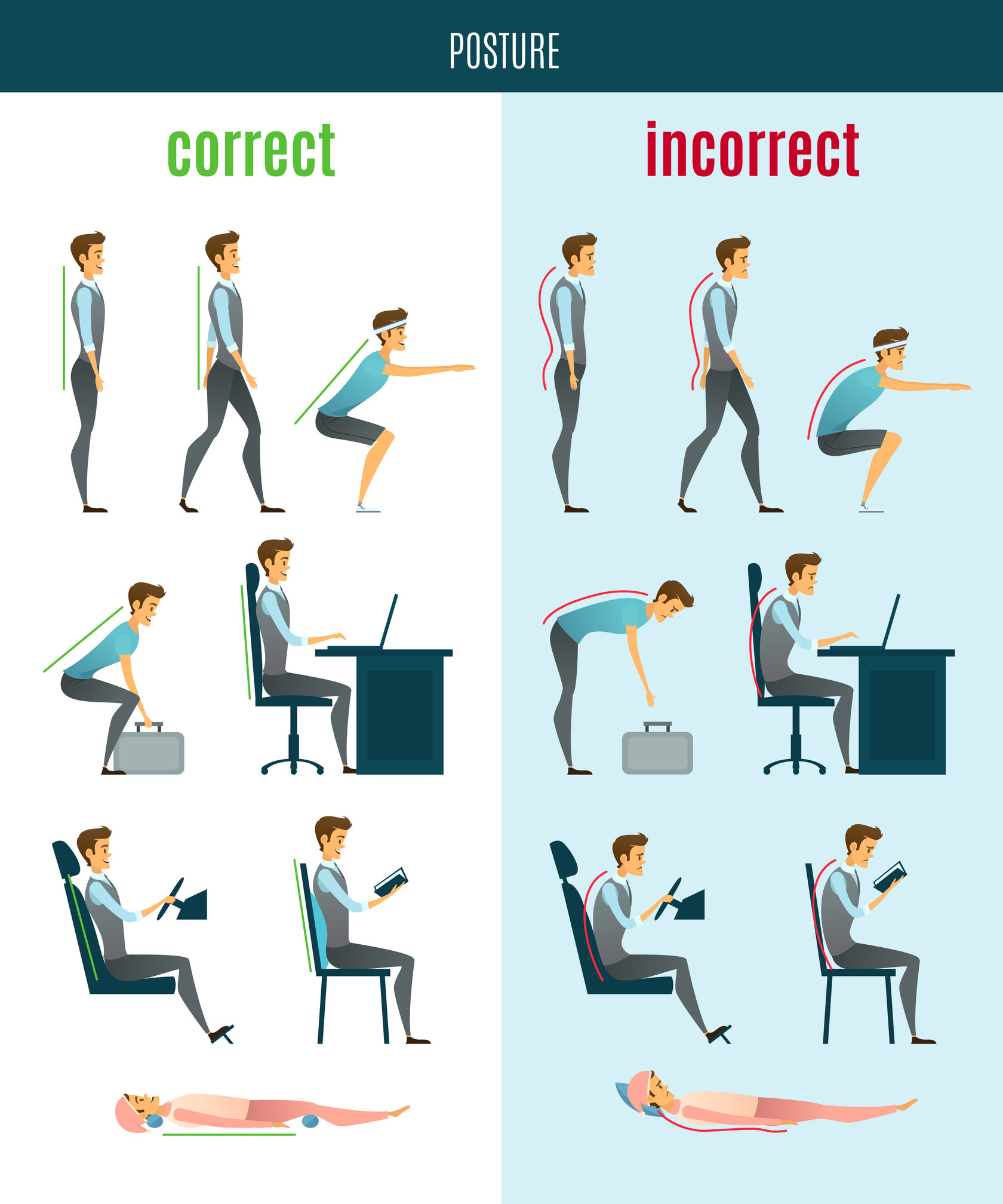
Creating an ergonomically-friendly home office is essential for maintaining productivity and preventing discomfort. Here are 10 ergonomic tips to enhance your workspace:
- Choose the Right Chair: Invest in a chair with adjustable height and lumbar support to keep your spine aligned.
- Desk Height: Your desk should be at elbow height to ensure your arms are parallel to the floor.
- Monitor Position: Position your monitor about an arm's length away with the top of the screen at or just below eye level.
- Keyboard and Mouse Placement: Keep your keyboard and mouse close enough so you can use them comfortably with your elbows tucked in.
- Use a Footrest: A footrest can help maintain proper posture by keeping your feet flat and reducing strain on your legs.
In addition to the essentials, consider these additional ergonomic tips to further optimize your home office setup:
- Lighting: Use natural light whenever possible and consider task lighting to reduce eye strain.
- Take Frequent Breaks: Implement the 20-20-20 rule: every 20 minutes, look at something 20 feet away for 20 seconds.
- Stay Hydrated: Keep a water bottle at your desk to remind yourself to drink regularly, as hydration is key to maintaining focus.
- Personalize Your Space: Add elements like plants or artwork to make the environment more enjoyable while still being practical.
- Consider Standing Desk Options: If feasible, alternate between sitting and standing to improve circulation and energy levels.
Counter-Strike, a highly popular tactical first-person shooter game, has been pivotal in the evolution of competitive gaming. Players team up as either terrorists or counter-terrorists, engaging in intense matches where strategy and teamwork are crucial. Additionally, for those looking to optimize their gaming setup, check out the Top 10 iPad Accessories for Remote Work, which can enhance how you play while on the go.
How Workspace Design Affects Your Mood: The Science Behind Ergonomics
The design of your workspace plays a crucial role in influencing your mood and productivity levels. According to research, an ergonomic workspace promotes better posture, reduces the risk of injury, and enhances overall well-being. Ergonomics focuses on creating an environment tailored to the user's needs, which not only boosts efficiency but also fosters a more positive state of mind. For instance, having an adjustable chair and desk can help maintain comfort throughout the day, while an organized and aesthetically pleasing workspace can reduce stress levels and increase motivation.
Furthermore, color psychology indicates that the colors used in workspace design can significantly impact your emotions. Bright colors like blue can enhance focus and calmness, while warm colors like yellow can inspire creativity and happiness. Adding elements such as plants or natural light can also improve air quality and mood. Here's a quick list of ways to enhance your workspace through effective design:
- Incorporate ergonomic furniture.
- Use colors that promote positivity.
- Add plants for a touch of nature.
- Ensure good lighting, ideally natural light.
Is Your Desk Causing You Stress? Signs You Need an Ergonomic Makeover
Is your desk causing you stress? Many people spend hours sitting at their desks, and if the setup is not ergonomic, it can lead to discomfort and stress. Signs you need an ergonomic makeover include persistent neck or back pain, frequent headaches, and a general sense of fatigue by the end of the workday. Assess your workspace and pay attention to your posture: are you hunching over your keyboard? If so, it may be time to consider adjustments to your desk height, chair support, or monitor positioning.
Another key sign is how often you experience stress during your work hours. If you find yourself feeling more anxious or overwhelmed at your desk, it could be tied to an uncomfortable setup. Here are some tips for an ergonomic makeover:
- Invest in a quality chair with good lumbar support.
- Ensure your computer screen is eye-level to reduce neck strain.
- Add a footrest if your feet do not touch the ground.
- Keep frequently used items within easy reach to avoid stretching.