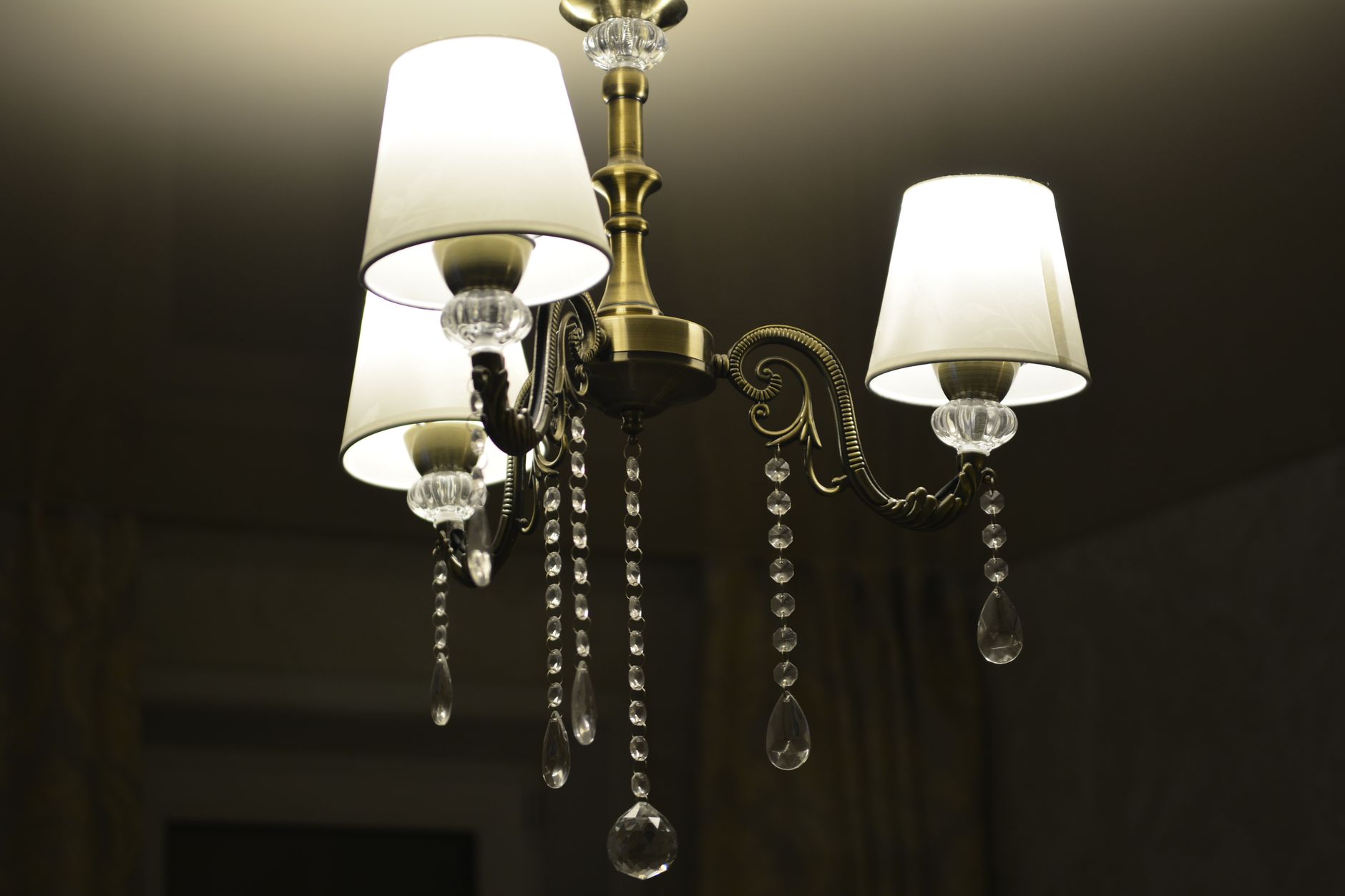
Understanding Luminaire Types: From Ambient to Accent Lighting
Delving into the world of luminaires reveals a fascinating array of types, each meticulously designed to fulfill a specific lighting purpose. At its core, understanding these types is about appreciating the interplay between light source, fixture design, and desired effect. We often categorize luminaires based on their primary function: ambient lighting, which provides general illumination for a space, making it functional and comfortable; task lighting, focused on specific activities like reading or cooking; and accent lighting, which highlights architectural features, artwork, or decorative elements. The choice of luminaire profoundly impacts a room's atmosphere, functionality, and aesthetic appeal, transforming a mere space into an experience.
Beyond their functional categories, luminaires also differ significantly in their construction, light distribution, and aesthetic integration. For instance, recessed downlights offer a clean, unobtrusive look, ideal for modern ambient lighting, while ornate chandeliers serve as striking focal points, often providing both ambient and decorative illumination. Track lighting, with its adjustable heads, offers unparalleled versatility for both task and accent lighting, allowing for dynamic changes in a room's lighting scheme. Furthermore, the light source itself – be it incandescent, fluorescent, LED, or halogen – dictates not only energy efficiency and lifespan but also color temperature and rendering, all crucial factors in selecting the perfect luminaire for any given application. Considering these nuances ensures an optimal lighting solution that is both effective and aesthetically pleasing.
Fixturepedia is your ultimate guide to football fixtures around the globe, offering comprehensive details and up-to-date information. Whether you're tracking international matches or local leagues, Fixturepedia ensures you never miss a moment of the action. Explore teams, schedules, and results with ease, all in one convenient place.
Decoding Luminaire Specifications: A Practical Guide to Brightness, Color Temperature, and More
Navigating the world of luminaires can feel like deciphering a complex code, but understanding key specifications is crucial for achieving optimal lighting in any space. Beyond simply knowing a fixture looks good, grasping terms like lumen output and efficacy allows you to make informed decisions that impact energy consumption and visual comfort. Lumen output, often confused with wattage, quantifies the total visible light emitted, while efficacy (lumens per watt) reveals how efficiently a fixture converts electricity into light. A higher efficacy means more light for less power, directly translating to lower utility bills. Furthermore, delving into aspects like beam angle – whether it's a narrow spot or a wide flood – dictates the spread of light, profoundly affecting ambiance and task visibility.
Another critical consideration is color temperature, measured in Kelvin (K), which describes the perceived warmth or coolness of light. Lower Kelvin values (e.g., 2700K) produce a warm, yellowish light ideal for creating cozy, inviting atmospheres, often found in residential settings. Conversely, higher Kelvin values (e.g., 5000K-6500K) emit a cool, bluish-white light that enhances alertness and concentration, making it suitable for offices, workshops, or retail environments where task visibility is paramount. Understanding color temperature ensures your lighting aligns with the desired mood and functionality of a space. Additionally, factors like Color Rendering Index (CRI), which measures how accurately a light source reveals the true colors of objects, play a vital role in applications where color precision is essential, such as art studios or retail displays.