Understanding MCP Servers: From Basics to AI Training Essentials
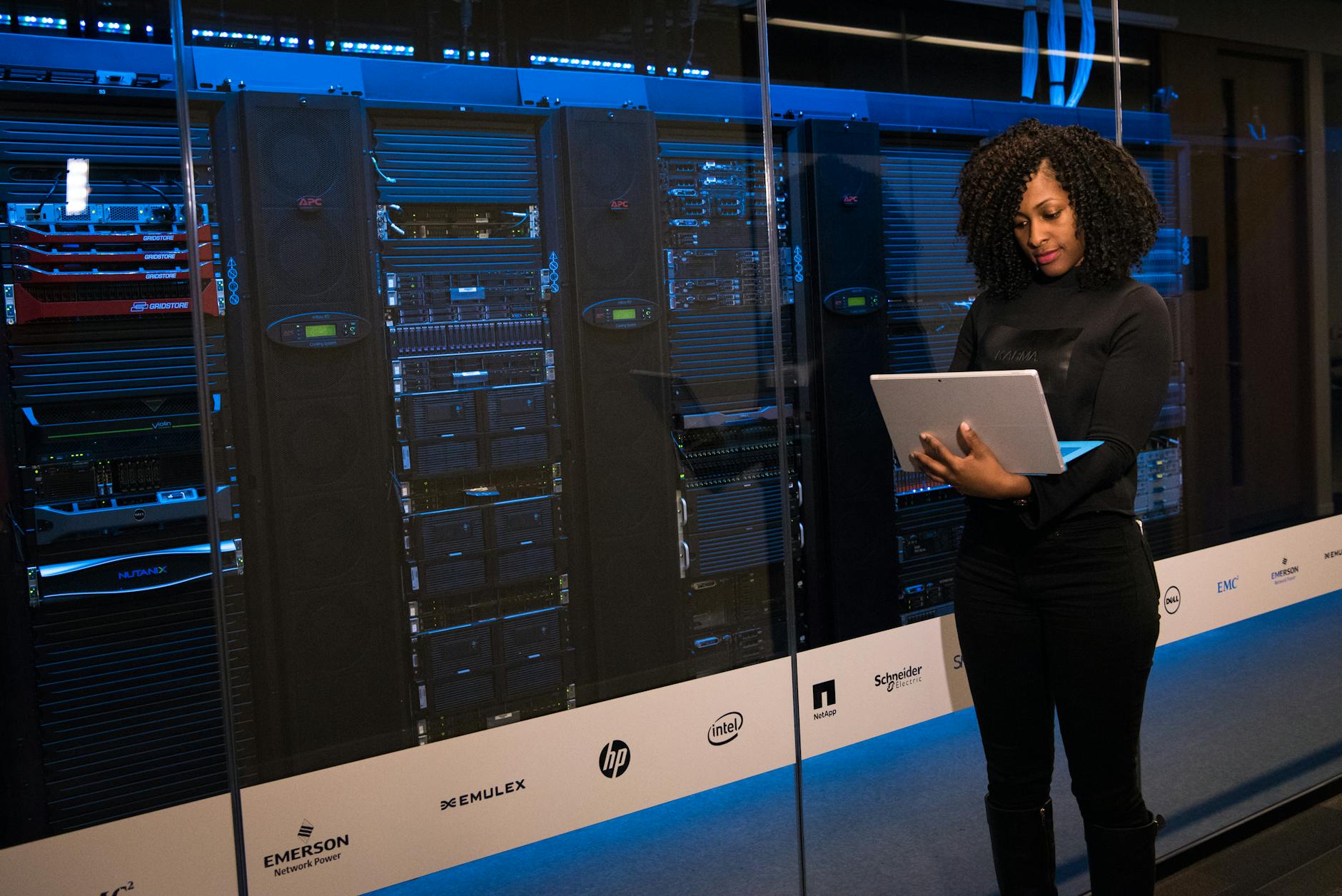
At its core, an MCP server represents a paradigm shift in data center architecture, moving away from single, discrete processing units towards tightly integrated, multi-chip solutions. This doesn't just mean more cores; it implies optimized communication pathways, shared memory hierarchies, and often, specialized accelerators designed to work in concert. Understanding the basics involves recognizing that these servers are engineered for significantly higher throughput and lower latency for specific workloads. Whereas traditional servers might excel at general-purpose computing, MCP servers are purpose-built for tasks demanding immense parallel processing capabilities and high-bandwidth interconnects. This foundational understanding is crucial before delving into their more advanced applications, particularly in the realm of artificial intelligence.
The true power of MCP servers becomes evident when we consider their application in AI training. Modern AI models, especially deep learning networks, require an astronomical amount of computational power to process vast datasets and refine billions of parameters. MCP servers, often incorporating multiple GPUs, custom ASICs, or FPGAs within a single package, provide the necessary horsepower. For instance, a single MCP server could house several NVIDIA H100s, each with its own high-bandwidth memory, all communicating over ultra-fast NVLink interconnects. This integrated design dramatically reduces data transfer bottlenecks, allowing AI models to train faster and more efficiently. Consequently, choosing the right MCP server for AI training involves evaluating not just the raw computational units, but also the interconnectivity and memory architecture, which are critical for scaling AI workloads effectively.
When searching for a scrapingbee alternative, it's important to consider factors like pricing, ease of use, and the range of features offered. Many services provide similar proxy networks, CAPTCHA solving, and browser rendering capabilities, but some stand out with better performance or customer support. Evaluating your specific needs for web scraping will help you find the perfect fit among the various options available in the market.
Building Your AI Agent's Training Ground: Practical Tips and FAQs for MCP Server Setup
Setting up your Minecraft client proxy (MCP) server is the foundational step for training your AI agent within the Minecraft environment. It acts as the crucial intermediary, allowing your agent to interact with the game world, send commands, and receive observations. Don't underestimate the importance of a well-configured setup here; a stable and performant MCP server directly translates to more efficient and reliable AI training. Key considerations include ensuring your Java Development Kit (JDK) version is compatible with your chosen MCP version, allocating sufficient RAM to avoid bottlenecks during intensive training sessions, and properly configuring your firewall to allow connections. Think of this as building the very classroom where your AI will learn to navigate, build, and survive; a sturdy and well-equipped classroom makes for a better student.
When delving into the practicalities of MCP server setup, you'll inevitably encounter some common FAQs. For instance, "Which MCP version should I use?" often depends on the Minecraft version your agent is targeting and the available support for AI frameworks. Newer versions generally offer more features but might have compatibility quirks. Another frequent question is about debugging connection issues: always double-check your IP addresses, port forwarding configurations (especially if you're behind a router), and ensure no other applications are hogging the required ports. We highly recommend creating a dedicated folder for your MCP server files and keeping your project dependencies organized. Regularly backing up your configuration files and any custom modifications is also a smart practice that can save significant headaches down the line.