Understanding MCP Servers: From Basics to Best Practices for AI Agents
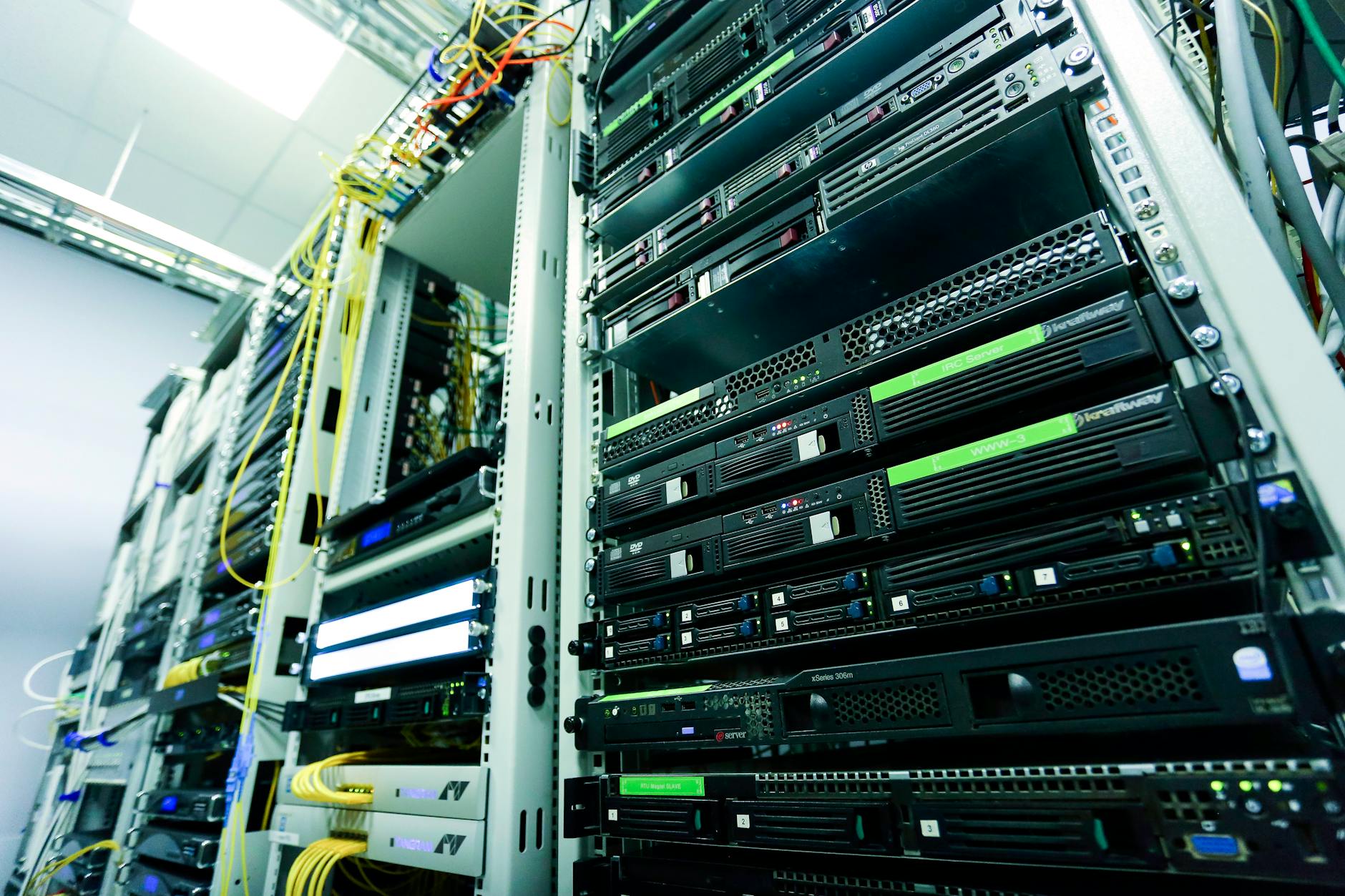
MCP servers, or Multi-Agent Communication Protocol servers, are foundational to the effective operation and collaboration of diverse AI agents. At their core, they provide a standardized framework for agents to exchange information, synchronize actions, and coordinate complex tasks, even across different platforms or programming languages. Think of an MCP server as a sophisticated digital switchboard, enabling seamless communication channels between autonomous entities. Understanding the basics involves recognizing their role in facilitating message passing, managing agent identities, and ensuring data integrity. This crucial infrastructure allows AI systems to move beyond isolated functions, fostering true swarm intelligence and enabling sophisticated applications like distributed problem-solving, real-time data analysis, and dynamic resource allocation in complex environments.
Moving beyond the basics, best practices for deploying and managing MCP servers for AI agents revolve around several key considerations. Firstly, scalability is paramount; the server must be able to handle an increasing number of agents and message traffic without performance degradation. This often involves load balancing and distributed server architectures. Secondly, security protocols are critical to protect sensitive information exchanged between agents and prevent unauthorized access or manipulation. Implementing robust authentication, authorization, and encryption mechanisms is non-negotiable. Finally, robust error handling and logging capabilities are essential for diagnosing issues, monitoring agent interactions, and ensuring the overall stability of the multi-agent system. Adhering to these best practices ensures not only efficient communication but also the reliability and trustworthiness of your AI agent ecosystem.
The Google News API allows developers to programmatically access news articles and information from Google News. This powerful tool provides a convenient way to integrate real-time news into applications, websites, or research projects. If you're looking for a reliable Google News API solution, explore options that offer comprehensive features and easy integration.
Deploying AI Agents on MCP: Common Questions, Tips, and Troubleshooting
Navigating the deployment of AI agents on a Managed Cloud Platform (MCP) often brings a host of preliminary questions. One of the most frequent inquiries revolves around resource allocation and cost optimization. Bloggers and businesses alike want to understand the typical CPU, GPU, and memory footprints required for various AI models, from simple chatbots to complex predictive analytics agents. It's crucial to consider not just the initial deployment needs but also the scaling requirements as user interaction or data volume increases. We'll delve into strategies for right-sizing your instances and leveraging serverless functions where appropriate to minimize operational expenses. Another common concern is data security and compliance, especially when handling sensitive information. Understanding how your MCP provider enforces data isolation, encryption, and adheres to regulations like GDPR or HIPAA is paramount before moving your AI agents into production.
Beyond initial setup, numerous questions arise during the operational phase of AI agents on an MCP. Troubleshooting common issues often involves understanding the interplay between your agent's code, the MCP's infrastructure, and external data sources. A key area for tips and troubleshooting centers on effective monitoring and logging strategies. Implementing robust logging will provide invaluable insights into agent performance, errors, and unhandled exceptions. For instance,
- Are your agents experiencing memory leaks?
- Are API calls to external services failing silently?
- Is there unexpected latency impacting user experience?