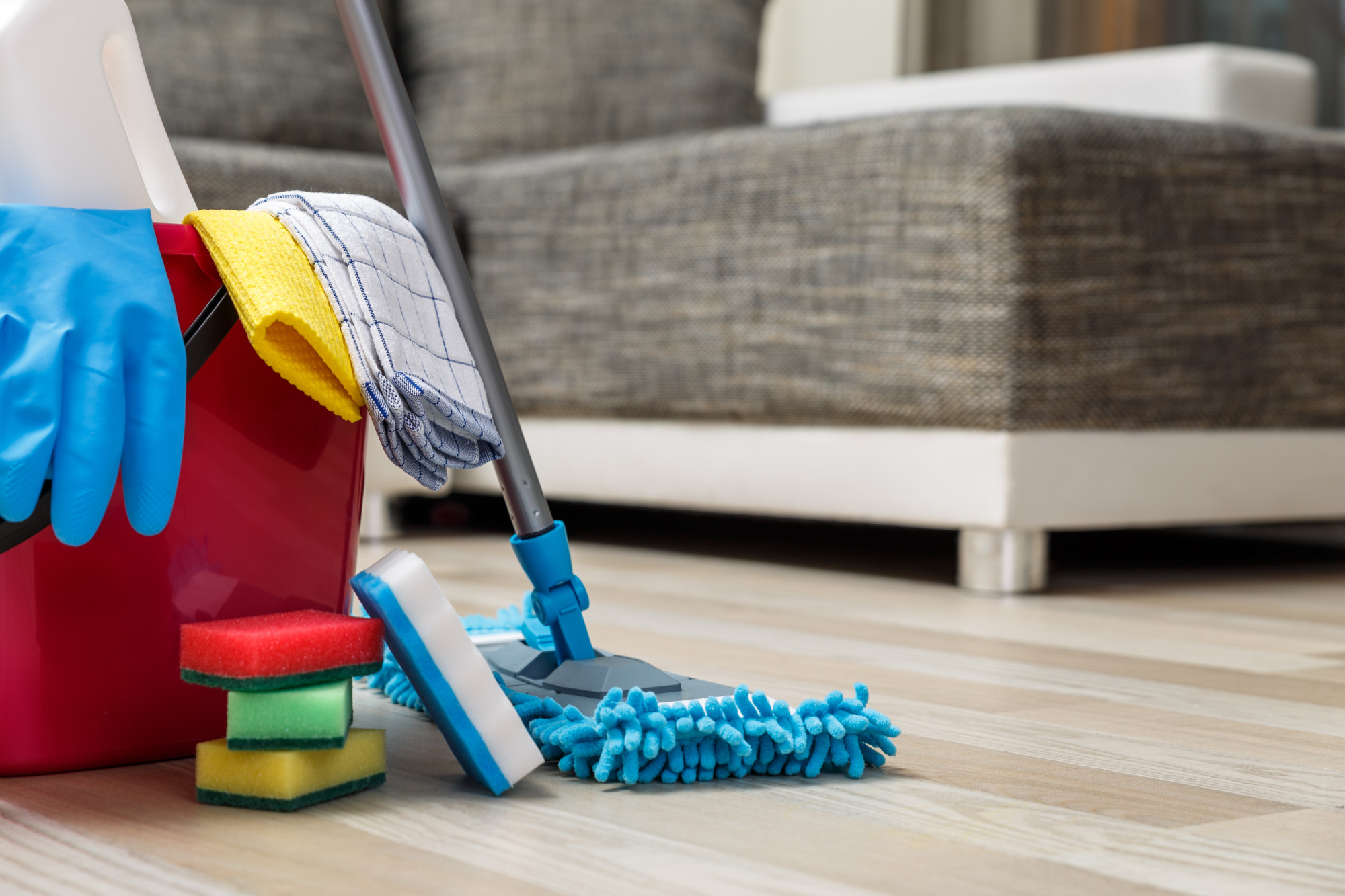
Unveiling the Hidden Ingredients: What Really Goes Into Your Cleaning Products?
When it comes to maintaining a clean and healthy home, many of us rely on commercial cleaning products without fully understanding what they're made of. It's essential to peel back the layers and examine the hidden ingredients that often contribute to their effectiveness but may also pose risks to your health and the environment. Common components such as phosphates, fragrance, and surfactants are frequently found in these products. While they help to break down grease and lift stains, they can also lead to allergies and skin irritation in sensitive individuals.
Furthermore, manufacturers might not be transparent about the specific chemical formulations in their products. For instance, some cleaning agents contain solvents that can release volatile organic compounds (VOCs) into the air, potentially contributing to respiratory issues. To make informed choices about the products you use, consider reading labels thoroughly and seeking out brands that prioritize transparency. You can also explore natural alternatives that utilize ingredients like vinegar and baking soda, which effectively clean without the hidden dangers posed by traditional products.
Counter-Strike is a popular tactical first-person shooter game that emphasizes team coordination and strategy. Players can choose to play as terrorists or counter-terrorists, engaging in various game modes that often revolve around bomb planting or hostage rescue. For those seeking to enhance their gaming experience with top-tier accessories, check out the Top 10 airpods cleaning kits to keep your headphones in pristine condition while you immerse yourself in the action.
The Science Behind the Suds: How Cleaning Products Work Their Magic
The effectiveness of cleaning products can be attributed to a fascinating mix of chemistry and physics. Most cleaning agents contain surfactants, which are compounds that lower the surface tension of water. This allows water to spread and penetrate more easily, aiding in the removal of dirt and grease. Surfactants work by attaching themselves to both water and oil molecules; they have a hydrophilic (water-attracting) head and a hydrophobic (water-repelling) tail. This dual nature allows surfactants to encapsulate oils and grease, making them easier to wash away. As you scrub or wipe surfaces, these surfactants break down grime, turning it into a form that can be easily rinsed away.
Additionally, many cleaning products are enhanced with enzymes and acids that take cleaning to the next level. Enzymes, which are biological molecules, act as catalysts in breaking down stubborn stains and organic materials, such as food particles, sweat, and oils. For example, proteases tackle protein-based stains, while lipases target fat-based residues. On the other hand, acids such as citric acid and acetic acid help to dissolve mineral deposits and limescale, making them effective in hard water areas. By understanding how these components interact and amplify the cleaning process, consumers can make informed choices about which products best meet their cleaning needs.
Are Your Cleaning Products Hiding Dark Secrets? Discover the Truth!
When you reach for your favorite cleaning products, do you ever consider what hidden ingredients might be lurking behind their fresh scents and shiny labels? Many commercial cleaners contain harsh chemicals that not only pose a risk to your health but also have detrimental effects on the environment. For instance, substances like phthalates and triclosan can disrupt hormonal balance and contribute to adverse health conditions. According to recent studies, some cleaning products release volatile organic compounds (VOCs) that can lead to indoor air pollution. Before you clean, it's crucial to discover the truth about the products you use daily.
Moreover, eco-friendly alternatives often promise a safer solution but caveats exist, too. Not all products labeled as 'green' are created equal; some may still contain hidden toxins. Consider investigating labels for safe certifications or opting for homemade cleaning solutions using simple ingredients like vinegar and baking soda. Not only can these natural options be just as effective, they also protect both your family's health and the planet. Make informed choices and take a stand against the hidden dangers by opting for transparency in your cleaning products.