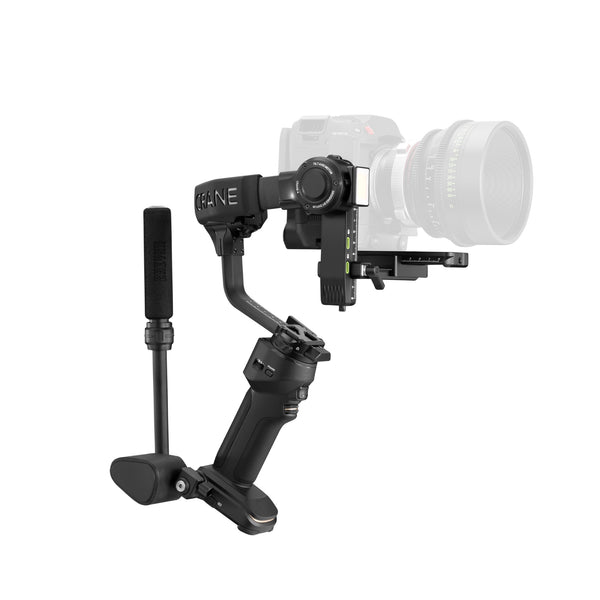
The Rise of Gimbals: Revolutionizing Filmmaking Techniques
The rise of gimbals has transformed the landscape of filmmaking, providing creators with unparalleled stability and fluidity in their shots. With the advent of advanced stabilization technologies, filmmakers can now capture smooth cinematic footage regardless of movement or terrain. Unlike traditional tripods and handheld techniques, gimbals utilize motors and various sensors to actively counteract unwanted camera shake, allowing for dynamic shots that maintain professional quality. This technological advancement has made it easier for both amateur filmmakers and seasoned professionals to achieve stunning visual narratives.
As the demand for high-quality video content continues to soar, the revolutionary capabilities of gimbals cannot be overstated. They not only enhance the versatility of shooting styles but also foster creativity, enabling filmmakers to experiment with innovative angles and movements. Moreover, modern gimbals often come equipped with features such as smartphone compatibility, easy setup, and remote controls, which significantly expand their usability. As a result, gimbals are becoming an essential tool in the filmmaker's arsenal, playing a pivotal role in shaping the future of visual storytelling.
Counter-Strike is a highly popular first-person shooter video game franchise that emphasizes tactical gameplay and team coordination. Players can choose to take on the roles of terrorists or counter-terrorists while engaging in intense match rounds. For gamers looking to elevate their mobile gaming experience, check out the Top 10 iphone gimbals available to enhance their setup.
Gimbals vs. Traditional Stabilization: Which is Better for Cinematic Storytelling?
When comparing gimbals and traditional stabilization techniques, it's essential to consider the unique demands of cinematic storytelling. Gimbals are motorized devices that actively counteract the vibrations and movements of the camera, allowing for ultra-smooth shots even in dynamic environments. Traditional methods, such as using a steadicam or handheld techniques, rely more heavily on the operator's skill and experience. This can lead to inconsistencies in shot quality, particularly in fast-paced scenes. Thus, while both methods aim to achieve stability, gimbals offer a level of reliability that can enhance the narrative flow of a film.
However, it's not just about stability; the choice between gimbals and traditional stabilization also impacts the storytelling process. Gimbals enable filmmakers to incorporate sweeping shots and dynamic movement that can elevate the visual narrative. In contrast, traditional stabilization methods might require more planning and practice, potentially restricting spontaneity in shooting. Ultimately, the decision hinges on the project at hand—gimbals provide flexibility and ease, making them suitable for on-the-fly shoots, while traditional techniques may still hold a place for those seeking a more artisanal touch in cinematic storytelling.
How Gimbals are Empowering Independent Filmmakers and Changing the Industry Landscape
Gimbals have revolutionized the way independent filmmakers create content, providing them with stable and smooth footage that was once only attainable with high-end equipment. By utilizing advanced stabilization technology, gimbals allow filmmakers to achieve professional-looking shots without the need for extensive gear or a large crew. This democratization of filmmaking has empowered many creative individuals, enabling them to tell their stories effectively and showcase their unique perspectives. Moreover, the portability of gimbals means that these filmmakers can easily shoot in diverse locations, adapting to various environments without being weighed down by bulky equipment.
The impact of gimbals extends beyond individual projects; they are also changing the overall landscape of the film industry. As independent filmmakers gain access to tools that enhance their production quality, audiences are witnessing a surge in innovative storytelling and diverse narratives. This shift is challenging traditional industry norms and creating new platforms for distribution. With the rise of streaming services and social media, the barrier to entry for filmmakers is lower than ever, allowing for a more inclusive and varied creative landscape, ultimately enriching the viewer's experience and broadening the scope of future cinematic works.