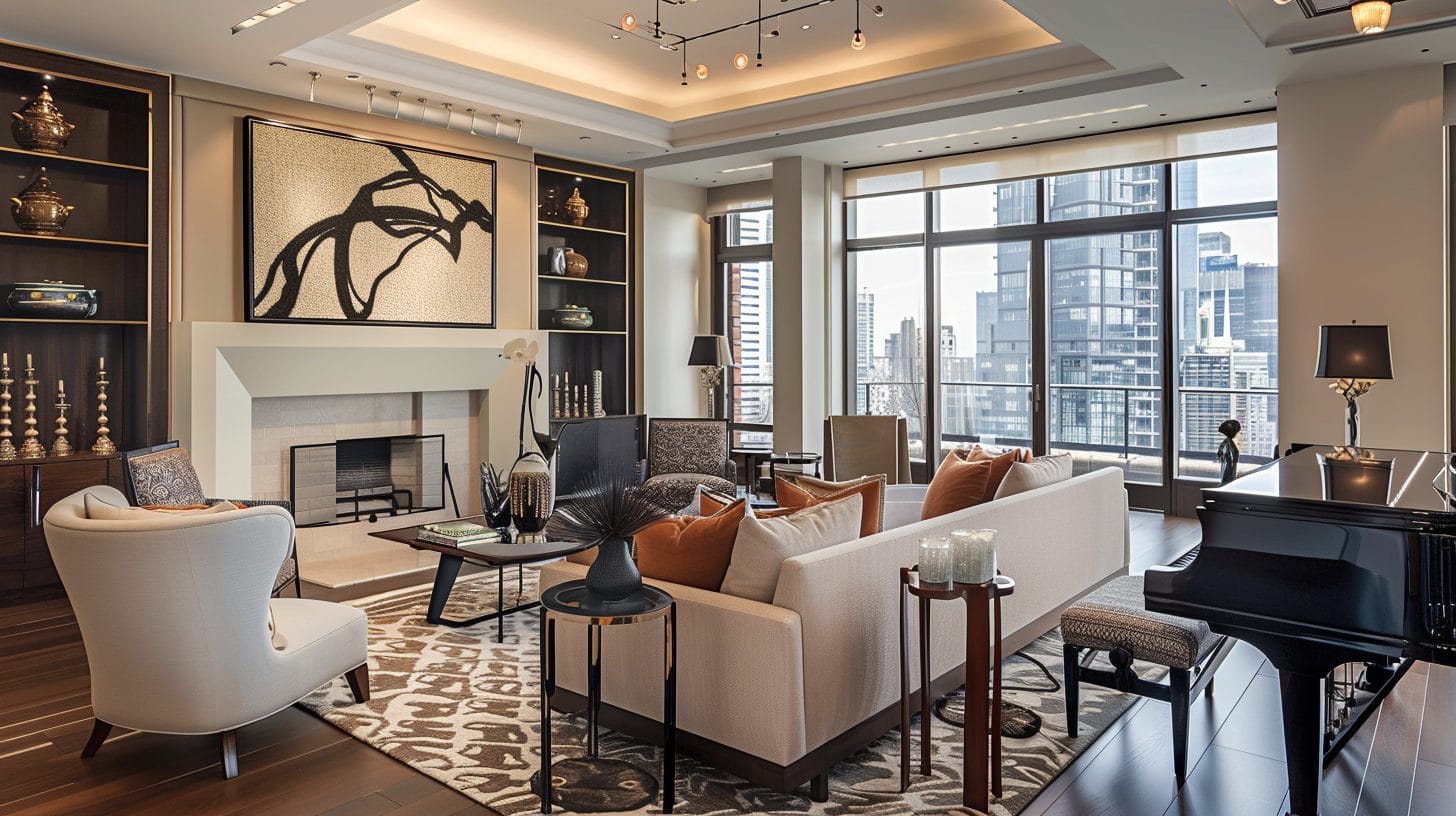
Transforming Your Space: How Colors Speak Volumes in Interior Design
When it comes to interior design, the use of color is one of the most powerful tools at your disposal. Colors have the unique ability to affect our emotions and perceptions, transforming any space into a haven of comfort or a beacon of energy. For instance, warm colors like red and orange can create a sense of warmth and intimacy, making them ideal for spaces where social interaction occurs, such as living rooms or dining areas. On the other hand, cooler tones like blue and green are known for their calming effects, perfect for creating tranquil retreats in bedrooms or bathrooms.
To effectively harness the power of color in your space, consider the following tips:
- Define your mood: Determine the ambiance you want to create.
- Consider the natural light: Evaluate how different shades interact with the light in your space.
- Choose a color palette: Limit your selection to three to five colors for a cohesive look.
Counter-Strike is a popular tactical first-person shooter game that has captivated millions of players around the world. It involves two teams, terrorists and counter-terrorists, competing to achieve objectives such as bomb defusal or hostage rescue. Players often invest in strategies and teamwork to outsmart their opponents, making it a thrilling experience. For gamers looking to enhance their home setups, you can check out the Top 10 homepod stands to elevate their gaming environment.
The Psychology of Walls: What Your Decor Reveals About You
The psychology of walls extends far beyond mere aesthetics; it reveals our personalities, preferences, and even our emotional states. For instance, a wall adorned with vibrant colors and bold artwork can indicate a creative and outgoing individual, while a minimalist, monochromatic space may suggest a preference for calm and order. Studies show that the colors we choose for our walls can influence our mood and behavior, making it essential to understand how our decor choices reflect who we are. Decor serves as a silent communicator, offering insights into our personal narratives and social identities.
Moreover, the arrangement of decor items can also provide clues to our psychological landscape. A cluttered wall filled with family photos and travel memorabilia may suggest nostalgia and a desire for connection, whereas stark, empty walls might indicate a more introverted or experimental nature. Even the choice of materials—be it rustic wood, sleek metal, or textured fabrics—can evoke different emotional responses. By deciphering these visual cues, we can gain a deeper understanding of ourselves and how we wish to be perceived by others, thus making the psychology of walls a fascinating study of psychology and home decor.
7 Essential Tips to Make Your Walls Tell a Story
Transforming your walls into storytellers can enhance the ambiance of any room. To start, select a theme that resonates with your personality and interests. Whether it's travel, art, or family memories, a cohesive theme brings harmony to your space. Consider creating a
- gallery wall featuring framed photos or artwork that reflects this theme.
- Use contrasting colors to highlight specific areas or pieces, drawing attention to the stories you wish to tell.
Incorporating diverse elements can further enrich the narrative conveyed through your walls. Mixing textures—such as wood, metal, and fabric—adds depth, while adding shelf space for books or collectibles creates interactive storytelling. Additionally, consider using decals or quotes that resonate with you. These personal touches invite guests to engage with your walls and the tales they tell, making your home not just a space, but a living narrative.