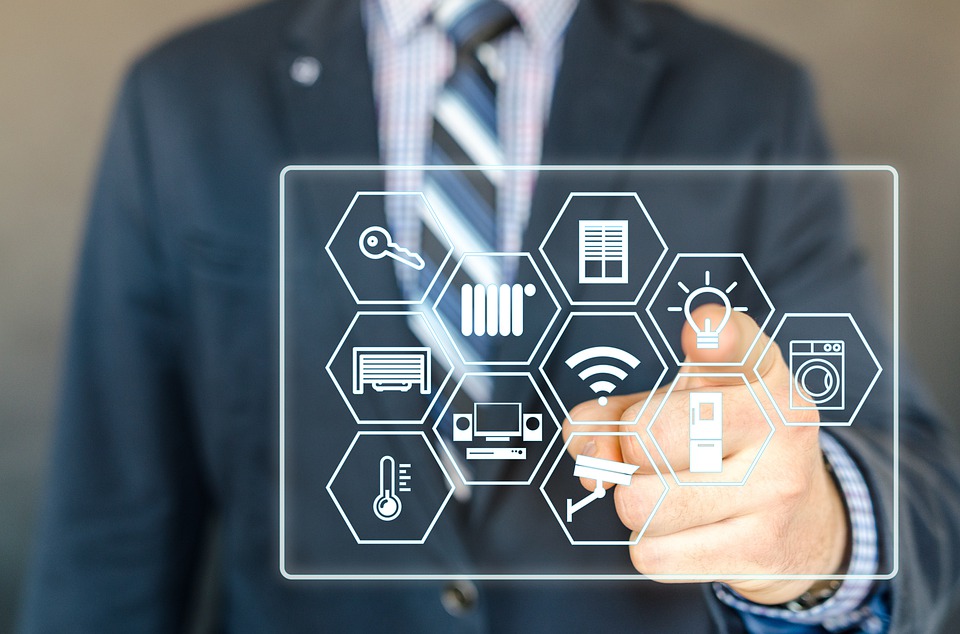
Transforming Daily Life: The Impact of Smart Home Devices on Our Routines
The advent of smart home devices has revolutionized our daily routines, integrating technology seamlessly into our lives. From smart thermostats that learn our preferences to voice-activated assistants that manage our schedules, these devices have transformed mundane tasks into effortless routines. For instance, with a simple voice command, we can adjust our home’s lighting, control the temperature, or even start our coffee machine in the morning. This level of convenience not only saves time but also enhances our overall quality of life, allowing us to focus on what truly matters.
Moreover, the ability to remotely monitor and control home security systems through smart devices provides peace of mind for many homeowners. According to recent studies, smart home technology can significantly improve energy efficiency, resulting in reduced utility bills. As we become more reliant on these innovative solutions, it's clear that the impact of smart home devices is profound. They streamline our daily tasks, promote a sense of security, and contribute to a more sustainable living environment, demonstrating just how deeply embedded technology has become in our daily lives.
Counter-Strike is a highly popular tactical first-person shooter that has been a mainstay in the gaming community since its inception in 1999. Players engage in team-based gameplay where they can take on the roles of either terrorists or counter-terrorists, battling to complete objectives or eliminate the opposing team. As you gear up for intense matches, you might also want to explore Top 10 Tech Gifts for Men to enhance your gaming experience.
How AI-Powered Gadgets Are Changing the Way We Work and Live
In today's fast-paced world, AI-powered gadgets are revolutionizing how we work and interact with our environment. From intelligent personal assistants like Siri and Alexa to advanced project management tools, these devices enhance productivity through automation and smart recommendations. For instance, AI-driven software can now analyze data patterns to suggest optimal schedules or reminders, helping individuals manage their time more effectively. This integration of AI into our daily routines not only streamlines various tasks but also allows professionals to focus on more strategic activities, leading to improved outcomes.
Moreover, AI-powered gadgets are transforming our personal lives as well. Home automation systems equipped with artificial intelligence enable users to control lighting, heating, and security systems through their smartphones or voice commands. These devices learn user preferences over time, adapting to create a more comfortable living environment. As a result, homeowners can enjoy not only enhanced convenience but also improved energy efficiency. With numerous applications ranging from smart refrigerators to AI-enabled fitness trackers, the influence of artificial intelligence is becoming increasingly pervasive, reshaping our lifestyles and enhancing our overall well-being.
Are Smart Technologies Making Us More Productive or Just More Distracted?
In recent years, the rise of smart technologies has sparked a heated debate about their impact on our productivity. On one hand, these innovations offer tools and platforms designed to streamline our workflows, automate mundane tasks, and facilitate seamless communication. For instance, smart project management software can help teams prioritize tasks effectively, while smart assistants can schedule meetings and provide relevant reminders, allowing employees to focus more on their core responsibilities. A survey conducted by Tech Insights revealed that 78% of workers feel that technological tools enhance their efficiency when used appropriately.
However, it's essential to recognize that the same technologies can also serve as a double-edged sword. With the constant influx of notifications and the temptation to engage with social media, many individuals find themselves more distracted than ever. A study from Productivity Research Center found that the average worker spends over 2.5 hours daily dealing with distractions, many of which are prompted by smart devices. The challenge lies in finding a balance between utilizing these tools for improved efficiency and managing their potential to disrupt focus and concentration.