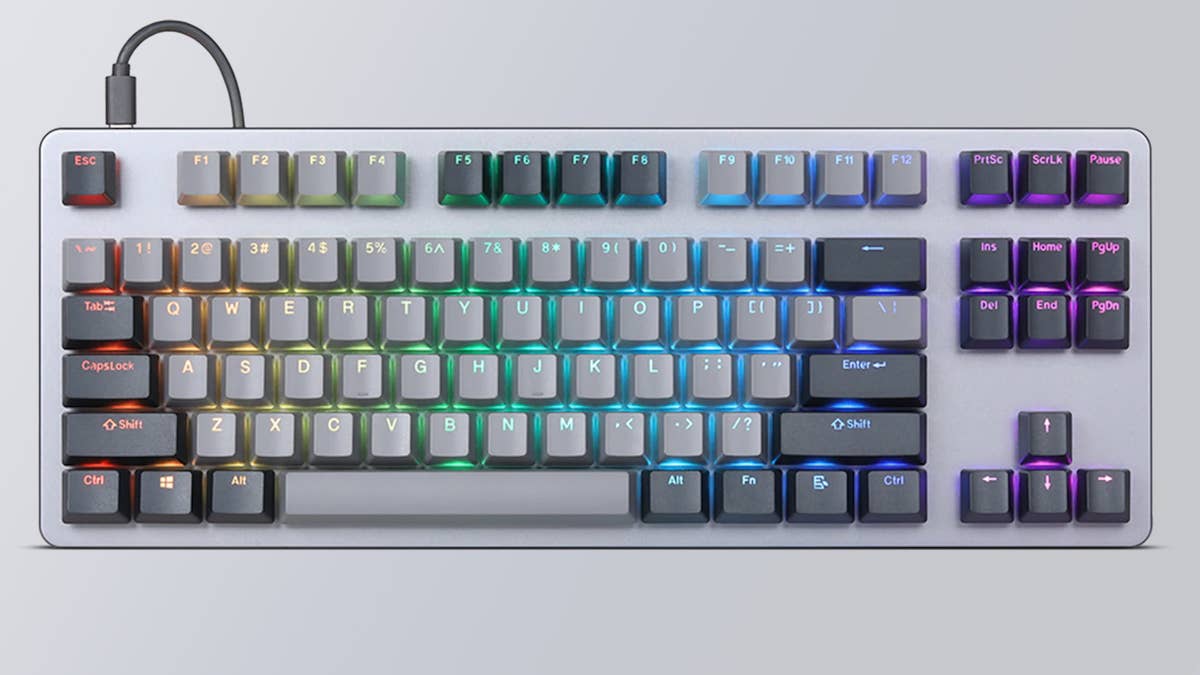
The Sound of Success: How Mechanical Keyboards Enhance Focus and Productivity
In today's fast-paced digital landscape, mechanical keyboards have emerged as a preferred tool for professionals aiming to enhance focus and productivity. The audible and tactile feedback provided by their switches creates a distinct typing experience that not only feels satisfying but also promotes engagement. Many users report that the sound of keys clacking away fosters an atmosphere of concentration, effectively drowning out distracting background noises. This sound of success can be instrumental in keeping you aligned with your tasks, making mechanical keyboards a valuable addition to your workspace.
Moreover, the ergonomic design of many mechanical keyboards supports long hours of typing without discomfort, which is essential for maintaining peak productivity. With customizable keycap layouts and the ability to choose from various switch types, users can create a setup that best fits their unique typing style. As a result, this tailored experience not only enhances the auditory pleasure of typing but also contributes to sustained focus. When you pair the sounds of success with comfort and efficiency, you cultivate an environment primed for productivity and creativity.
If you're looking to enhance your typing experience and add some personality to your setup, exploring the Top 10 Keycap Sets for Keyboards is a great start. These sets come in various materials, colors, and designs, allowing you to customize your mechanical keyboard to suit your style. Whether you prefer a minimalist look or something more vibrant, there's a keycap set that will fit your needs perfectly.
Choosing the Right Mechanical Keyboard: A Guide to Switch Types and Layouts
When choosing the right mechanical keyboard, understanding the different switch types is crucial. Mechanical switches can vary significantly, and they generally fall into three categories: tactile, linear, and clicky. Tactile switches provide physical feedback when pressed, making them ideal for typists who want to feel their key presses. Linear switches, on the other hand, offer a smooth keystroke without any tactile bump, which is favored by gamers for fast and uninterrupted strokes. Clicky switches, as the name suggests, produce an audible click sound upon actuation, providing both tactile and auditory feedback for users who enjoy that sensory experience.
Besides switch types, the layout of the mechanical keyboard also plays a significant role in user experience. Common layouts include full-size, TKL (tenkeyless), and compact models. A full-size keyboard features a complete set of keys, including a number pad, ideal for productivity tasks. The TKL layout omits the number pad to save space, making it a popular choice for those with limited desk space or for gamers who prefer a more compact form. Compact keyboards take this a step further, often incorporating 60% or 75% layouts that eliminate function rows and dedicated arrow keys. Choosing the right keyboard layout means balancing space, functionality, and comfort to enhance your typing or gaming experience.
Is a Mechanical Keyboard Worth It? The Impact on Typing Speed and Ergonomics
In recent years, mechanical keyboards have gained immense popularity among typing enthusiasts, gamers, and professionals alike. One of the primary reasons for this surge is the impact they have on typing speed. Unlike traditional membrane keyboards, mechanical keyboards utilize individual mechanical switches for each key, providing tactile feedback that can enhance the typing experience. Users often report an increase in their typing speed due to the distinct feel of the keys and reduced fatigue during long typing sessions. Studies suggest that switching to a mechanical keyboard can lead to a significant improvement in typing speed, making them a worthwhile investment for anyone who spends considerable time typing.
Beyond speed, ergonomics is another critical factor to consider when evaluating the worth of a mechanical keyboard. Many mechanical keyboards are designed with features that promote better hand positioning and reduce strain on the wrists. For instance, they often include adjustable feet or wrist rests that can help maintain a comfortable typing posture. Additionally, the durability of mechanical switches can provide a smoother typing experience, minimizing the chances of repetitive strain injuries. In conclusion, the investment in a mechanical keyboard can lead to both enhanced typing speed and improved ergonomics, making it a worthy addition to any workstation.