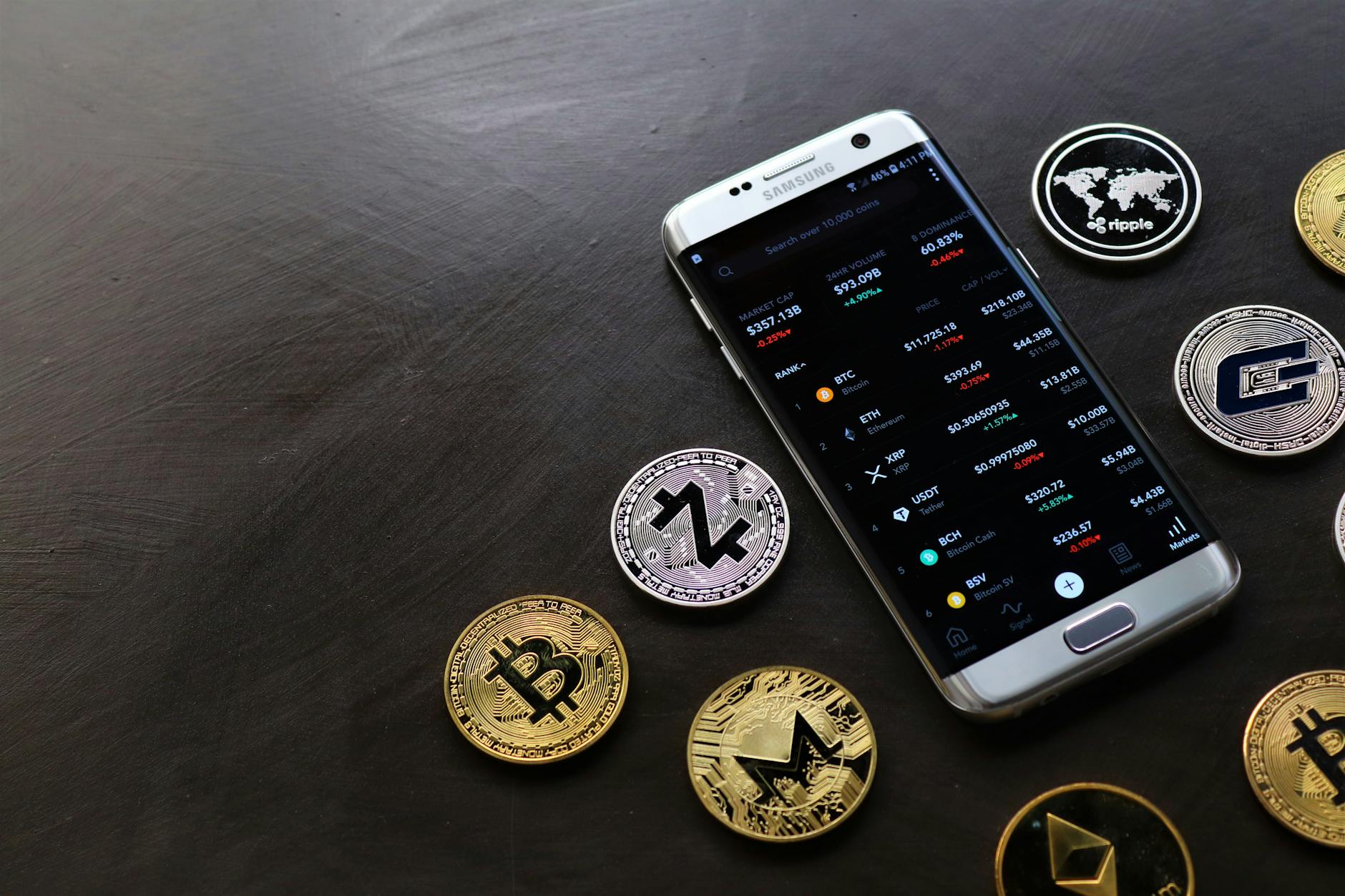
Navigating the On-Ramps: Your First Crypto Purchase Explained (and Common Pitfalls to Avoid)
Embarking on your crypto journey can feel like stepping into a new frontier, but with a clear roadmap, your first purchase will be smooth sailing. The most common entry point is through a reputable cryptocurrency exchange. Platforms like Coinbase, Binance, or Kraken offer user-friendly interfaces and robust security measures. You'll typically need to set up an account, verify your identity (a process known as KYC - Know Your Customer), and link a funding method, such as a bank account or debit card. Researching different exchanges beforehand is crucial, as fees, available cryptocurrencies, and withdrawal limits can vary significantly. Consider factors like your country of residence, the specific coins you're interested in, and the level of customer support offered.
Once your account is set up and funded, making your first crypto purchase is surprisingly straightforward. Most exchanges will present you with an option to 'Buy Crypto'. You'll then select the cryptocurrency you wish to acquire (e.g., Bitcoin or Ethereum), input the amount you want to spend in your local currency, and review the transaction details, including any associated fees. It's vital to double-check all information before confirming your purchase. A common pitfall here is impulsivity. Avoid chasing 'pump and dump' schemes or investing more than you can afford to lose. Remember, the crypto market is volatile, and prices can fluctuate rapidly. A measured approach, based on your own research and risk tolerance, is always advisable.
"The biggest risk of all is not taking one." While this sentiment holds true for innovation, in crypto, it's about calculated risk. Don't let the fear of missing out (FOMO) lead you to make rash decisions.
Beyond the initial purchase, safeguarding your newly acquired digital assets is paramount. One major pitfall for beginners is neglecting security. While exchanges provide some level of protection, consider transferring your crypto to a personal wallet – either a software wallet (hot wallet) or a hardware wallet (cold wallet) – for enhanced security, especially for larger holdings. Always enable two-factor authentication (2FA) on your exchange account and wallet, and be wary of phishing attempts or suspicious links. Never share your private keys or seed phrase with anyone. Understanding basic wallet security is not just an option, it's a necessity for any serious crypto investor.
See also: Wikipedia: Cryptocurrency — Provides a foundational understanding of cryptocurrencies, essential for explaining how they function as a deposit method.
Funding Your Fun: Practical Steps for Moving Crypto from Exchange to Casino Wallet
Once you've acquired your desired cryptocurrency on an exchange, the next crucial step is transferring it securely to your casino wallet. This process, while straightforward, requires attention to detail to avoid common pitfalls. First, navigate to your chosen online casino's deposit section and select the cryptocurrency you wish to use. The casino will then generate a unique deposit address, often accompanied by a QR code. It is absolutely paramount that you double-check this address for accuracy. Even a single incorrect character can result in the irreversible loss of your funds. Consider using a copy-paste function rather than manual entry to minimize errors. Some casinos may also provide a 'memo' or 'tag' – ensure this is included if required, as it helps the casino identify your deposit.
See also: SEC.gov: CFTC and SEC Actions on Crypto — Offers insights into the regulatory landscape surrounding cryptocurrencies in the US, highlighting potential risks and legal considerations for users.
With the casino's deposit address in hand, return to your cryptocurrency exchange. Locate your wallet for the specific coin you're transferring and initiate a 'withdrawal' or 'send' transaction. You'll be prompted to paste the casino's deposit address into the designated field. Next, specify the amount of cryptocurrency you wish to send. Be mindful of any withdrawal fees imposed by the exchange, as these will be deducted from your total. Many exchanges offer different network speeds, often with varying fees. For casino deposits, a standard speed is usually sufficient, but if you're in a hurry to play, a faster option might be available for a slightly higher cost. Always confirm the total amount being sent and the network fees before finalizing the transaction.
After initiating the withdrawal, the transaction will enter the blockchain network. The time it takes for your funds to arrive in your casino wallet can vary significantly depending on the cryptocurrency and current network congestion. Bitcoin transactions, for example, can take anywhere from a few minutes to an hour or more, while some altcoins might be near-instant. Most casinos provide a transaction ID (TXID) that you can use to track the progress of your deposit on a blockchain explorer. Once the required number of network confirmations are met, your casino balance will update, and you'll be ready to start playing.
"Patience is a virtue, especially when waiting for blockchain confirmations."If you experience prolonged delays, first check the blockchain explorer with your TXID, and then contact the casino's support team with the relevant transaction details.
Cashing Out & Keeping It Clean: Understanding Withdrawals, Taxes, and Regulatory Queries
Navigating the withdrawal process in any financial venture, especially in the evolving digital asset space, requires a keen understanding of the platforms you're using. It's crucial to familiarize yourself with their specific withdrawal limits, associated fees, and the typical processing times. Many platforms implement tiered withdrawal systems, where higher verification levels unlock larger daily or monthly withdrawal ceilings. Furthermore, always confirm the supported withdrawal methods – whether it's direct bank transfers, alternative payment processors, or even other cryptocurrency addresses. A well-documented withdrawal policy on the platform is a strong indicator of transparency and reliability, helping you plan your financial movements effectively and avoid unexpected delays or charges.
See also: CoinDesk: Learn about Crypto — A leading industry publication with extensive educational resources on various aspects of cryptocurrency, including how to acquire and manage it for transactions.
Beyond the immediate act of withdrawing funds, the landscape of taxes and regulatory compliance presents a significant consideration for anyone cashing out. Depending on your jurisdiction and the nature of your financial activities, withdrawn funds could be subject to various taxes, including capital gains tax or even income tax. It is imperative to consult with a qualified tax professional who specializes in your specific type of asset or investment. They can provide tailored advice on how to accurately report your earnings and fulfill your tax obligations. Ignoring these aspects can lead to severe penalties, making proactive tax planning an essential part of responsible financial management.
The regulatory environment surrounding digital assets and online financial platforms is in a constant state of flux. Governments worldwide are grappling with how to best integrate these innovations into existing legal frameworks, leading to a patchwork of varying regulations. Before engaging in significant withdrawals, particularly from platforms like a Crypto Casino, it's wise to perform due diligence on the regulatory standing of the platform you are using, especially if it operates across multiple jurisdictions. Understanding their compliance with Anti-Money Laundering (AML) and Know Your Customer (KYC) protocols is not just about adhering to rules; it's about protecting yourself from potential legal complications and ensuring the legitimacy of your transactions. Stay informed about relevant legislation that might impact your ability to freely access and utilize your funds.
Beyond the Basics: Advanced Funding Strategies & Answering Your Top 3 'What Ifs?'
Once you've mastered the foundational funding avenues like seed rounds and grants, it's time to explore the more sophisticated strategies that can truly accelerate your growth. Consider delving into convertible notes with uncapped valuations, which offer flexibility for early-stage companies while attracting savvy investors. Another powerful, yet often overlooked, option is revenue-based financing (RBF), particularly for businesses with predictable income streams. RBF allows you to secure capital without equity dilution, repaying lenders a percentage of your future revenue. Furthermore, don't shy away from exploring
strategic partnerships with larger corporationsthat could offer not just capital, but also invaluable market access and co-development opportunities, effectively leveraging their resources for your expansion.
As you venture into these advanced funding waters, inevitable 'what ifs' will surface. Let's tackle the first: "What if our valuation isn't what we expect in the next round?" This is a common concern, and mitigating it involves proactive communication with your current investors and a clear understanding of market trends. Consider introducing performance-based milestones into your agreements, which can trigger additional equity or investment if specific targets are met, thus safeguarding against undervalued future rounds. Regularly update your financial projections and be transparent about your progress, building trust that can cushion against unexpected valuation shifts.
Our second 'what if' addresses the critical question of "What if we run out of runway before closing our next round?" This is a nightmare scenario, but one that can be proactively managed. Implement rigorous financial forecasting, maintaining a detailed
- 12-18 month cash flow projection
- break-even analysis
- contingency plans for reduced spending
Frequently Asked Questions
What's the easiest crypto to deposit at most casinos, especially for beginners?
For beginners, Bitcoin (BTC) and Ethereum (ETH) are generally the easiest. They are widely accepted, have numerous exchange options, and many tutorials exist for buying and transferring them. Litecoin (LTC) and Dogecoin (DOGE) can also be good, thanks to faster transaction times and lower fees, making them user-friendly alternatives.
Are there any hidden fees when depositing crypto to an online casino?
While crypto casinos themselves rarely charge deposit fees, you might encounter network transaction fees (gas fees for Ethereum, miner fees for Bitcoin) which vary based on network congestion. Additionally, your crypto exchange may have withdrawal fees when you send funds to the casino. Always check both before initiating a deposit.
How long does it typically take for a crypto deposit to show up in my casino account?
Deposit times vary depending on the cryptocurrency and network congestion. Bitcoin can take 10-60 minutes, while Ethereum might be 5-30 minutes. Faster options like Litecoin, Solana, or Tron can often clear in just a few minutes. Most casinos require a certain number of network confirmations before crediting your account.
What should I do if my crypto deposit doesn't appear in my casino account?
First, double-check your transaction ID on the blockchain explorer to confirm it was sent to the correct address. If confirmed, contact the casino's customer support with your transaction ID and wallet address. They can investigate the issue, as sometimes network delays or internal processing can cause temporary hold-ups.