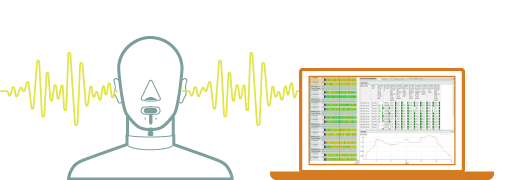
Understanding the Fundamentals of Sound Quality: Key Factors to Consider
Sound quality is a critical aspect that affects the overall listening experience, whether you're enjoying music, watching movies, or playing video games. To fully grasp the fundamentals of sound quality, it's essential to consider several key factors:
- Bitrate: The amount of data processed per unit of time, with higher bitrates generally delivering better sound clarity.
- Frequency Response: The range of frequencies a sound system can reproduce, affecting how well it captures the nuances of audio.
- Dynamic Range: The difference between the softest and loudest sounds, crucial for maintaining balance and detail in audio playback.
Another important aspect to consider is the acoustic environment. The way sound interacts with different surfaces can significantly alter its quality. Here are some tips for optimizing your space:
Soundproofing: Reducing external noise can enhance your listening experience.
Room Treatment: Strategically placing sound-absorbing materials helps to manage reflections and echoes.
By understanding these fundamentals, you can make informed choices that elevate your sound quality to new heights.
Counter-Strike is a highly popular first-person shooter video game that pits two teams, terrorists and counter-terrorists, against each other in a variety of objective-based game modes. Players can invest in weapons and equipment to enhance their chances of success. Whether you’re a competitive player or just enjoy casual matches, there are also a variety of accessories that can enhance your gaming experience, including Top 10 Secure Fit Ear Fins for AirPods that ensure you remain comfortable while gaming for long hours.
How to Choose the Best Audio Equipment for Optimal Sound Quality
Choosing the best audio equipment for optimal sound quality involves considering several key factors that cater to your specific needs. First, you should assess the type of audio content you will be consuming, whether it be music, podcasts, or films. This will help determine the appropriate speakers, headphones, or sound systems required for your listening experience. Additionally, consider the size of your space; larger rooms may benefit from floor-standing speakers, while smaller areas could work just fine with compact bookshelf speakers. Always remember to test equipment in-store, if possible, to ensure it meets your personal sound quality standards.
Another essential aspect to consider is compatibility with your existing devices. For instance, if you plan to use your audio equipment with a computer or a smartphone, ensure that it supports the necessary connections, such as Bluetooth or USB. Moreover, pay attention to the specifications such as frequency response and sensitivity, which can significantly impact sound performance. Once you've narrowed down your options, read user reviews and expert opinions to make an informed decision. Ultimately, investing in the right audio equipment tailored to your listening habits will elevate your overall auditory experience.
Top Tips for Improving Sound Quality in Home Recording and Production
Improving sound quality in home recording and production is essential for any aspiring musician or podcaster. Here are some top tips to consider:
- Invest in Quality Microphones: A good microphone can significantly enhance the clarity and richness of your recordings. Consider your needs, whether it's a dynamic or condenser mic, and choose one that suits your style.
- Use Acoustic Treatment: Sound reflections can muddle your recordings. Adding acoustic panels or bass traps to your recording space will help absorb excess noise and improve sound quality.
In addition to equipment and room treatment, the recording technique plays a crucial role in achieving high-quality sound:
- Monitor Your Levels: Ensure that your recording levels are properly set to avoid distortion. Aim for levels that peak around -12dB to -6dB.
- Utilize Proper Mic Placement: Experiment with different microphone positions. Microphone placement can drastically affect the sound quality, so take the time to find the sweet spot.