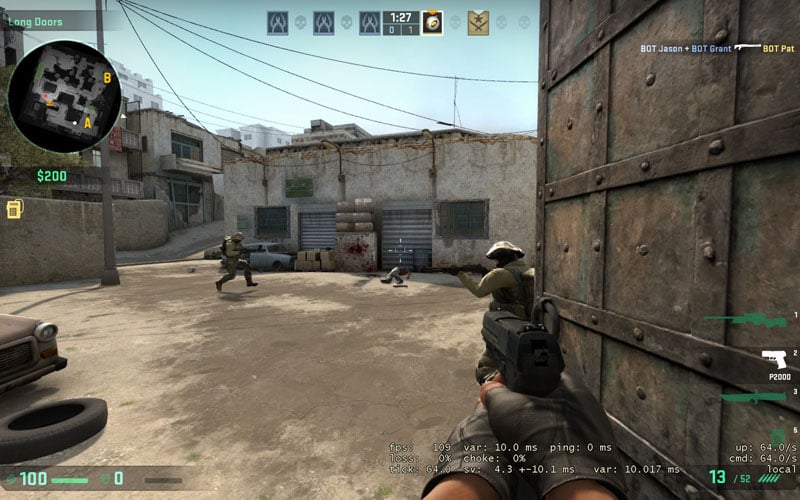
Understanding the Lurker Role in CS:GO: Key Strategies and Tips
Understanding the lurker role in CS:GO is essential for enhancing your team's strategic depth. The lurker acts as the sneaky operative on the team, often positioned away from the main group to gather information and catch opponents off guard. To excel in this role, you should master the art of map control and positional awareness. Key strategies include utilizing sound cues to gauge enemy movements and employing versatile weapons for both close and long-range engagements. Additionally, communication with your team is crucial; being a successful lurker means not only taking down enemies but also sharing real-time intel.
Effective lurkers also need to develop a keen sense of timing. Patience is vital—waiting for the right opportunity to strike can often lead to a decisive advantage. It’s also beneficial to practice flanking maneuvers, where you can surprise opponents from unexpected angles. Tips for aspiring lurkers include focusing on map awareness, practicing your aim, and consistently watching professional gameplay to learn from experienced players. Remember, the best lurkers adapt their playstyle to the flow of the match, always looking for new ways to disrupt the enemy's strategy and ensure their team comes out on top.
Counter-Strike is a highly popular first-person shooter game that emphasizes teamwork and strategy. Players can customize their gaming experience, including their crosshair settings. If you're interested in how to copy crosshair, there are various guides available to help you achieve the perfect customization.
Top 5 Mistakes Lurkers Make in CS:GO and How to Avoid Them
In the competitive world of CS:GO, lurkers play a crucial role in gaining an advantage for their team. However, many lurkers make common mistakes that can jeopardize their performance. Here are the top 5 mistakes lurkers make:
- Staying Isolated: While lurking often requires staying away from the team, complete isolation can be detrimental. Being too far from teammates reduces the chances of support when engagements occur.
- Neglecting Map Control: It’s vital for lurkers to understand map control and maintain pressure in key areas. Failing to do so can lead to missed opportunities and allow the enemy team to dominate crucial positions.
To improve your lurking game, consider the following strategies to avoid these pitfalls:
- Maintain Communication: Regularly communicate with your team about your position and the information you gather. This will help your teammates make informed decisions based on your insights.
- Adapt to the Situation: Adjust your positioning based on the current game state. If a player goes down, be ready to shift tactics to support your team more effectively.
- Practice Patience: Remember, being a lurker is about waiting for the perfect moment to strike. Rushing can lead to unnecessary deaths and missed windows of opportunity.
How to Communicate Effectively as a Lurker in Competitive Matches
In the realm of competitive matches, being a lurker poses unique challenges when it comes to effective communication. As a lurker, you often operate from the shadows, gathering information and providing strategic insights without drawing attention to yourself. To communicate effectively, it is essential to establish a clear understanding of your team’s communication style and the tools at your disposal. Utilize in-game text chats or voice channels to share key information succinctly, and always prioritize clarity over volume. For instance, instead of going into lengthy explanations, use concise phrases or abbreviations to relay critical updates. Effective communication in this role hinges on timing, ensuring that your messages are delivered when they can have the most impact.
Moreover, non-verbal cues can play a significant role in how you convey your insights as a lurker. If you're using voice chat, consider using signals or short phrases to indicate essential moves or strategies without disrupting the flow of the match. Utilizing tools like ping features or other in-game markers can also enhance your team's awareness without the need for excessive dialogue. Always remember to assess your team's reaction to your communication style and adapt accordingly. Communication is not just about what is said; it's equally about understanding how to convey your message effectively and in a manner that resonates with your teammates for optimal cooperation.