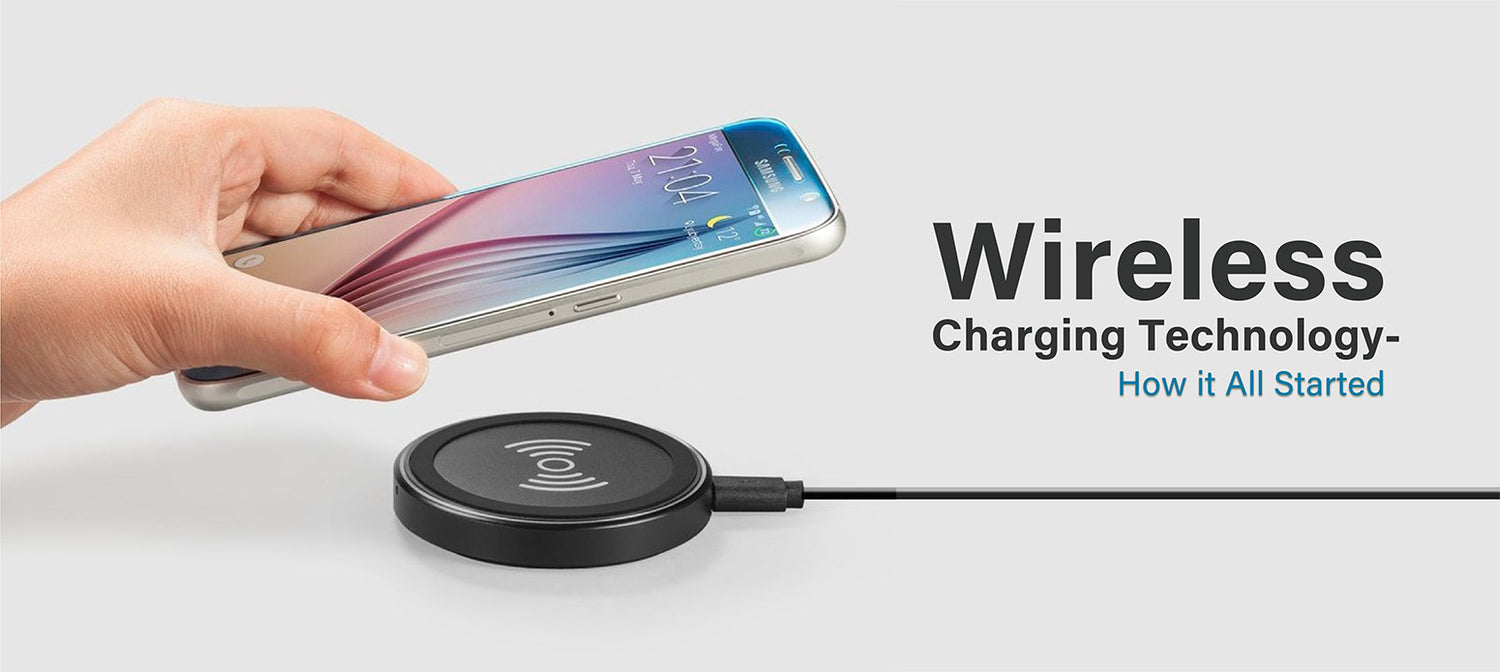
The Science Behind Wireless Charging: How It Works
Wireless charging, also known as inductive charging, is a technology that enables the transfer of energy from a charging station to an electronic device without the use of physical connectors. This process utilizes electromagnetic fields to transfer energy between two coils: the transmitter coil, located in the charging pad or station, and the receiver coil, integrated into the device. When the transmitter coil generates an alternating electromagnetic field, the receiver coil picks up this energy and converts it back into the electrical energy needed to charge the device's battery. Key to this process are the principles of electromagnetic induction, whereby the magnetic field induces a current in another coil when it is placed within the vicinity of the first.
One of the most significant advantages of wireless charging is its convenience and ease of use. Users can simply place their devices on a charging pad without worrying about the wear and tear that can come from frequent plugging and unplugging. However, this technology is not without its challenges. Efficiency can be lower than traditional wired charging methods, with some energy lost as heat during the transfer process. Furthermore, the alignment of the two coils is crucial for optimal charging, as misalignment can lead to slower charging times. Despite these drawbacks, the continuous improvements in wireless charging technology signal a promising future for a cable-free lifestyle.
Counter-Strike is a popular first-person shooter game that requires teamwork, strategy, and quick reflexes. Players choose between two teams, terrorists or counter-terrorists, and compete to complete objectives or eliminate the opposing team. For gamers looking to enhance their experience with accessories like charging devices for their consoles, check out the Top 10 magsafe chargers to ensure your gear is always powered up.
Top 5 Benefits of Switching to Wireless Charging
In today's fast-paced world, wireless charging offers a plethora of benefits that not only simplify our lives but also enhance our device usage. One of the most compelling advantages is the convenience that comes with it. No longer do you have to fumble with cords and connectors; with wireless charging, you just need to place your device on a charging pad and let the power flow. This seamless process can significantly reduce wear and tear on charging ports, extending the lifespan of your devices.
Another significant benefit is the improved safety associated with wireless charging. Traditional chargers can sometimes lead to overheating or short circuits, especially with low-quality cables. However, many wireless charging systems incorporate advanced features such as temperature control and foreign object detection, ensuring a safer charging experience. Furthermore, these systems often use energy more efficiently, allowing for quicker charging times while reducing your electricity bill over time.
Is Wireless Charging Safe for Your Devices?
Wireless charging has become increasingly popular, providing a convenient way to power up devices without the hassle of tangled cords. However, many users wonder, is wireless charging safe for your devices? The technology utilizes induction coils to transfer energy between the charger and the device, raising concerns about overheating and efficiency. Fortunately, most modern smartphones and gadgets are designed with built-in safeguards to prevent overheating and battery damage. As long as you use a reliable charger that meets safety standards, the risks associated with wireless charging are minimal.
Additionally, the question of whether wireless charging affects battery life has also been a topic of debate. Some users fear that prolonged exposure to the heat generated during the charging process could shorten battery lifespan. However, experts suggest that as long as you're mindful of your device's temperature and avoid using third-party chargers that lack safety certifications, you can confidently use wireless charging without compromising your devices' longevity. Always remember to regularly monitor your device's performance and follow manufacturer guidelines for optimal use.