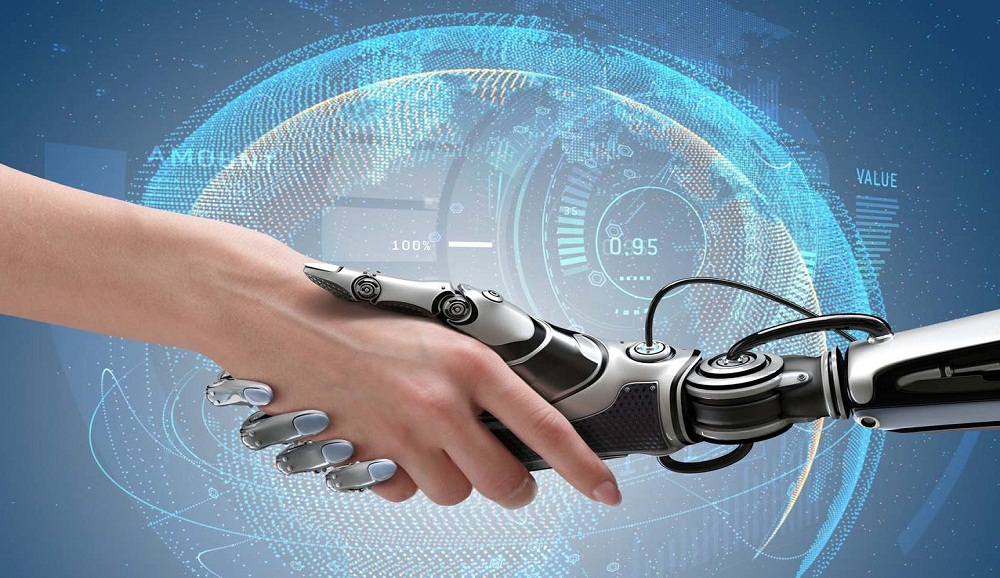
The Hidden Costs of Gadget Addiction: What We’re Sacrificing for Convenience
In today's fast-paced world, gadget addiction has become a pervasive issue, often overshadowing the hidden costs associated with our relentless pursuit of convenience. While technology has undeniably enhanced our productivity and connectivity, it has also led to significant sacrifices in various aspects of our lives. From diminished face-to-face interactions to the erosion of attention spans, we often overlook how this addiction impacts our mental health and relationships. A recent study highlights that excessive screen time can lead to increased levels of anxiety and depression, drawing us further away from meaningful connections.
Moreover, the financial implications of gadget addiction cannot be ignored. The constant need to upgrade to the latest smartphone or tablet can lead to a spiral of unnecessary spending, diverting funds away from essential needs. Consider the following points regarding these hidden costs:
- Monthly subscriptions: Many apps and services require ongoing payments that accumulate over time.
- Repair and Replacement: The more we use gadgets, the more likely they are to sustain damage, leading to additional costs.
- Health-related expenses: Issues arising from poor posture or poor eye health can result in expensive treatments.
Ultimately, what we gain in convenience may be far outweighed by the sacrifices we make, both financially and personally.
Counter-Strike is a highly popular multiplayer first-person shooter that has captivated gamers since its inception. Players are divided into two teams, terrorists and counter-terrorists, who engage in various objective-based game modes. For those looking to enhance their mobile gaming experience, consider checking out the Top 10 iphone accessories for travel to ensure you're prepared on the go.
Are Our Devices Making Us Less Human? Exploring the Emotional Impact of Tech Dependence
In today's fast-paced digital age, the question arises: Are our devices making us less human? The pervasive use of smartphones, tablets, and computers shapes our daily interactions and relationships. While technology undoubtedly offers conveniences and keeps us connected, it can also lead to emotional detachment. Many people find themselves engrossed in their screens, often choosing virtual interaction over face-to-face communication, which can diminish genuine human connections. This tech dependence might foster a sense of isolation, as individuals engage in superficial exchanges rather than cultivating deep, meaningful relationships.
Research indicates that excessive use of technology can lead to increased feelings of anxiety and depression. As we grow reliant on our devices for social validation—through likes and comments—our self-worth becomes intertwined with our online presence. This dependency can distort our sense of reality, making us less empathetic and more self-centered. Ultimately, we must ask ourselves, how is our relationship with technology affecting our humanity? To reclaim our emotional health, it’s essential to set boundaries with our devices and prioritize authentic connections in the physical world.
When AI Misbehaves: Real-Life Instances of Technology Gone Wrong and Their Consequences
As artificial intelligence continues to advance, instances of AI misbehaving have become increasingly prevalent. From self-driving cars involved in accidents to chatbot systems providing harmful advice, the implications of these technologies gone awry can be severe. For example, a well-known case involves an autonomous vehicle that misinterpreted the actions of a cyclist, resulting in a tragic accident. Such incidents raise crucial questions about the safety protocols and ethical considerations that must accompany AI development. The consequences of these missteps not only damage consumer trust but also prompt regulatory scrutiny and calls for stricter oversight.
Moreover, real-life instances of technology failures have led to significant repercussions across various sectors. Take the case of a major tech company that implemented an AI hiring tool which inadvertently favored certain demographics over others. This biased output not only harmed the company's reputation but also led to legal challenges regarding discrimination practices. Consequently, organizations are now more aware than ever that the deployment of AI technologies must be coupled with rigorous testing and ethical guidelines to mitigate risks and prevent similar mistakes in the future.