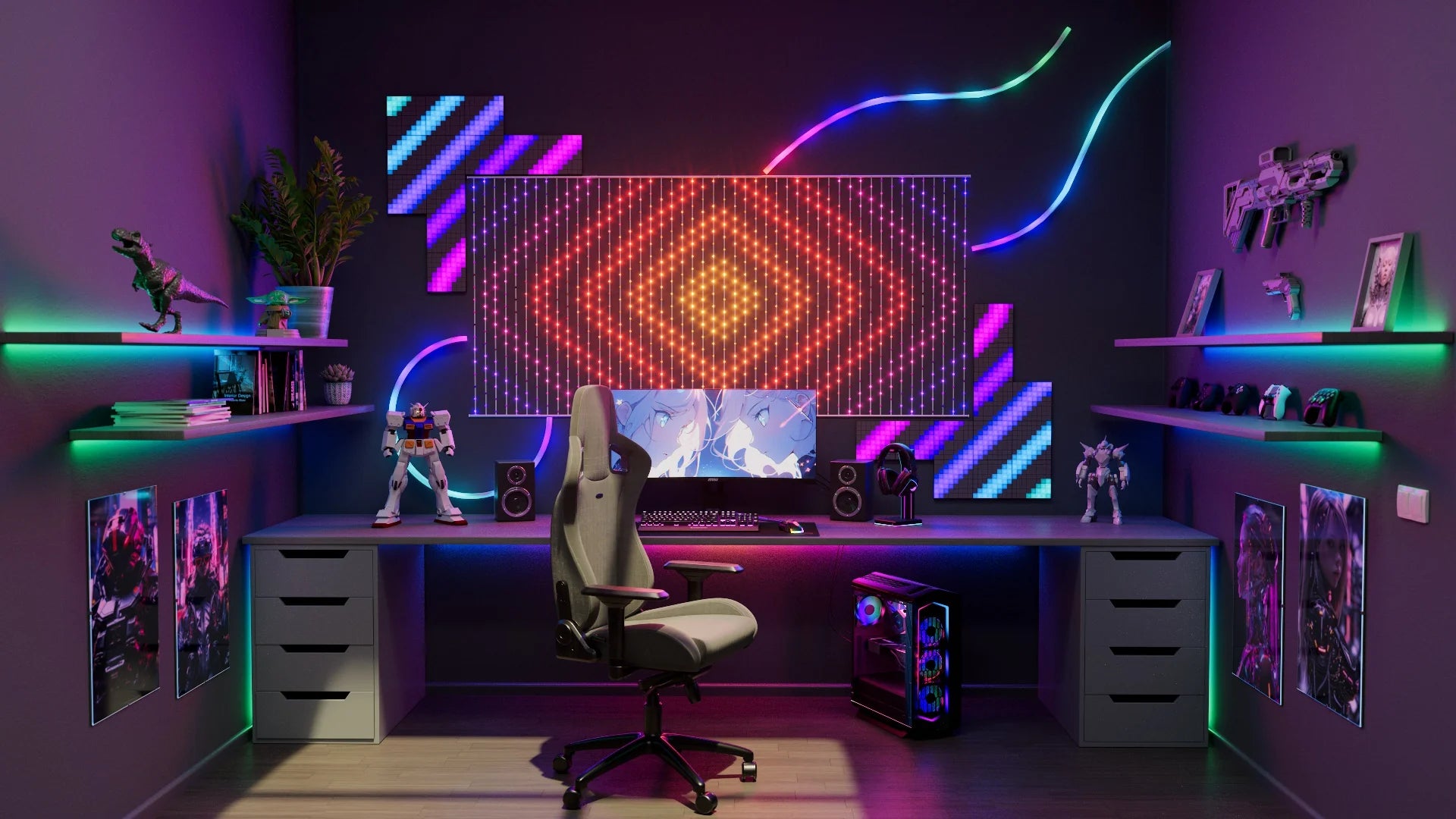
How Gaming Can Improve Your Problem-Solving Skills
Video games are more than just a source of entertainment; they can also be powerful tools for enhancing your problem-solving skills. Many games require players to navigate complex challenges, make strategic decisions, and adapt their tactics based on the evolving scenarios they encounter. For instance, puzzle games like Portal and strategy games such as StarCraft demand a high level of critical thinking and situational awareness. Players must analyze their options, predict outcomes, and implement solutions under pressure, all of which contribute to sharpening their problem-solving abilities.
Furthermore, gaming fosters a mindset of resilience and persistence when faced with obstacles. As players encounter difficult levels or challenging opponents, they learn to approach problems from different angles and develop innovative solutions. This iterative process not only enhances their problem-solving skills but also equips them with invaluable life skills, such as patience and adaptability. In summary, engaging with video games can significantly contribute to the cultivation of effective problem-solving strategies, making gaming an advantageous pursuit beyond mere recreation.
Counter-Strike is a highly competitive first-person shooter (FPS) game that has captivated millions of players around the world. It emphasizes teamwork and strategy while providing an intense gaming experience. For those looking to enhance their gaming setup, check out the Top 10 iphone accessories for gaming to improve performance and comfort.
The Surprising Social Benefits of Multiplayer Games
Multiplayer games are often perceived merely as a source of entertainment, but they offer surprising social benefits that can enhance players' interpersonal skills. Engaging with others in a virtual environment cultivates teamwork and communication abilities. Players must collaborate effectively to conquer challenges, which often requires clear communication and strategic planning. These opportunities for cooperation help individuals develop a sense of belonging and camaraderie, fostering genuine friendships that can transcend the digital realm.
Moreover, participating in multiplayer games can significantly boost social confidence. Many players find it easier to express themselves in-game, where their avatars represent them, creating a safe space for interaction. This virtual engagement can lead to real-life social skills improvements, as players become more adept at handling conversations and building relationships. Ultimately, the social dynamics of multiplayer gaming not only enhance the gaming experience but also enrich players' lives in meaningful ways.
Can Video Games Enhance Your Creativity?
Video games have often been dismissed as mere entertainment, but emerging research suggests that they can significantly enhance creativity. Engaging with complex storylines and diverse characters allows players to explore imaginative scenarios and think outside the box. For instance, games like LittleBigPlanet and Minecraft encourage users to build and develop their own worlds, promoting problem-solving skills and innovative thinking. This kind of interactive gameplay can activate different areas of the brain, fostering a more creative mindset.
Moreover, multiplayer and cooperative games challenge players to collaborate and communicate effectively, which can lead to creative brainstorming. The necessity of teamwork in games like Overwatch or Among Us not only enhances social skills but also inspires creative solutions to complex challenges. In these environments, players experiment with various strategies and ideas, further honing their creative abilities. Therefore, it's not just about fun and competition; video games can serve as a valuable tool for enhancing creativity across various aspects of life.