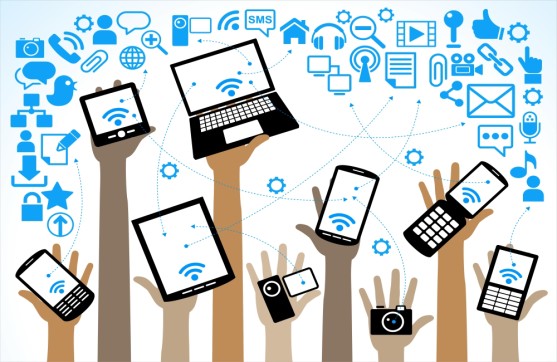
The Rise of Smart Gadgets: How Technology Transformed Our Routine
The advent of smart gadgets has revolutionized our daily routines, enhancing convenience and efficiency in ways we never thought possible. From smartphones to smart home devices, these technologically advanced tools have integrated seamlessly into our lives. For example, consider how smart thermostats optimize our home environments by learning our preferences and adjusting temperatures accordingly, offering both comfort and energy savings. Similarly, wearable devices like fitness trackers help us monitor our health, encouraging a more active lifestyle tailored to our specific goals.
As we embrace the rise of these innovative gadgets, it's essential to recognize their impact on our daily habits and routines. They enable us to stay connected, manage tasks efficiently, and prioritize our well-being. For instance, with the emergence of voice-activated assistants, managing daily chores has become remarkably simpler. Tasks such as setting reminders, controlling lighting, and even ordering groceries can now be done with a simple voice command. This shift not only saves time but also allows us to focus on the aspects of life that matter most. Overall, the transformation brought by smart technology is undeniable and continues to reshape our future.
Counter-Strike is a popular tactical first-person shooter game that emphasizes teamwork and strategy. Players can choose to play as terrorists or counter-terrorists, engaging in various game modes including bomb defusal and hostage rescue. In addition to mastering gameplay mechanics, gamers often enhance their experience with various devices. For instance, having the right gear can improve performance significantly. Check out the Top 10 Mobile Accessories to find gear that can elevate your gaming experience. The game's competitive scene is vibrant, with numerous tournaments held worldwide, making it a staple in the esports community.
From Flip Phones to Smartphones: A Journey Through Communication Devices
The evolution of communication devices has transformed the way we connect with one another over the decades. From flip phones to smartphones, each advancement has brought us closer while simultaneously revolutionizing our daily lives. In the early 2000s, flip phones dominated the market, offering basic functions like calling and texting. These devices were compact and portable, but their limited capabilities paved the way for more sophisticated technology. As consumers sought greater functionality, the first smartphones emerged, combining the features of a mobile phone with those of a computer, thus beginning a new era of communication.
As we moved into the late 2000s and beyond, smartphones became increasingly essential to our lives. With the introduction of touch screens, mobile applications, and high-speed internet, the smartphone revolutionized how we communicate, work, and entertain ourselves. Features such as video calls, messaging apps, and social media access are now standard on most devices. This gradual shift from flip phones to smartphones not only signifies a technological leap but also reflects changing consumer needs and lifestyles, highlighting the profound impact of these devices on modern communication.
Are Wearable Devices the Future of Health Monitoring?
In recent years, wearable devices have emerged as a revolutionary tool in the field of health monitoring. These gadgets, which include smartwatches, fitness trackers, and health bands, are designed to track various health metrics continuously. From monitoring heart rates and sleep patterns to tracking physical activity levels, the capabilities of wearable technology are expanding rapidly. As these devices become more sophisticated, they are increasingly becoming integral to preventative healthcare, allowing users to monitor their health in real time and make informed decisions about their lifestyle choices.
As wearable devices gain traction, experts are beginning to wonder if they truly represent the future of health monitoring. The integration of artificial intelligence and machine learning in wearable technology can provide personalized insights, improving user engagement and adherence to health protocols. Moreover, the potential for data sharing with healthcare providers can facilitate early interventions and improve patient outcomes. With these advancements, wearable devices are not just a trend; they signify a significant shift towards a more proactive approach to health management, making it easier for individuals to stay informed about their health and well-being.