The Science Behind Blue Light: How Filters Protect Your Eyes
Blue light is a high-energy visible light that emits from various sources such as the sun, digital screens, and artificial lighting. While some exposure to blue light is beneficial, excessive amounts can lead to eye strain and discomfort, often termed as digital eye strain or computer vision syndrome. Studies suggest that prolonged exposure to blue light may also disrupt sleep patterns by interfering with the body’s natural circadian rhythm. To combat these effects, many people are turning to blue light filters, which can be built into devices or applied as screen protectors.
Blue light filters work by reducing the intensity of blue light that reaches the eye, minimizing potential harm. These filters can be found in various forms, including:
- Screen protectors for smartphones and tablets
- Specialized glasses with blue light-blocking lenses
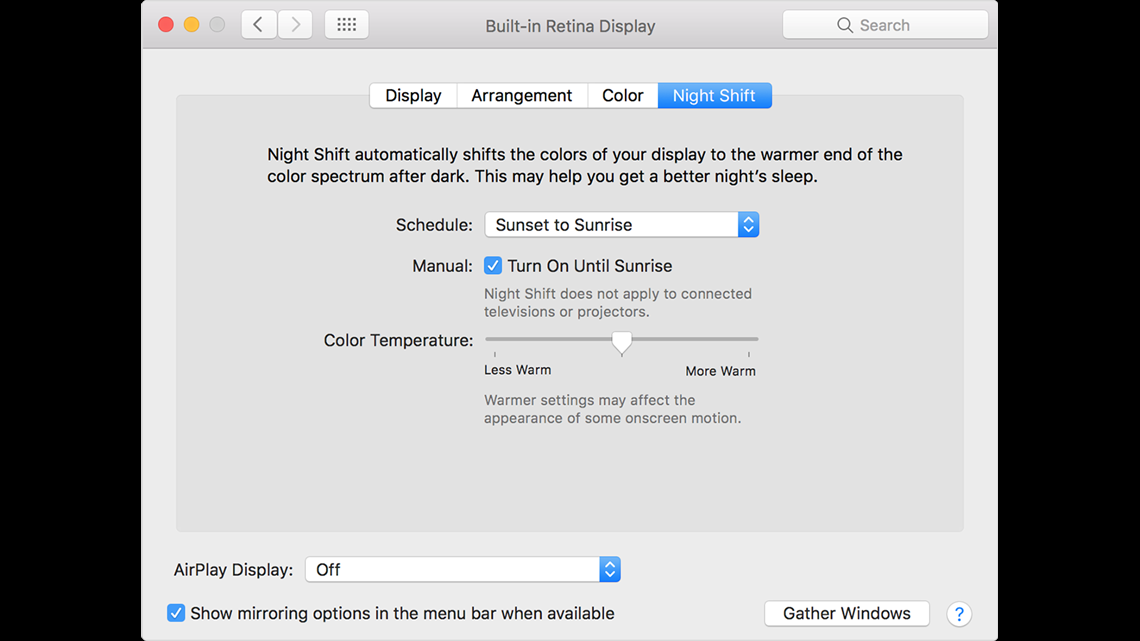
- Software applications that adjust screen colors according to the time of day
Counter-Strike is a popular tactical first-person shooter game that has captivated players since its inception in the late 1990s. Players engage in team-based gameplay where they can assume the roles of terrorists or counter-terrorists, competing to complete various objectives. With the increasing amount of time spent gaming, players should consider ways to mitigate eye strain by using the Top 10 Phone Accessories for Eye Strain. The game is known for its strategic depth and vibrant community, regularly hosting competitions and tournaments worldwide.
Top Benefits of Using Blue Light Filters for Digital Devices
In today's digital age, blue light filters have become an essential tool for anyone who spends a significant amount of time on screens. Blue light, emitted from devices like smartphones, tablets, and computers, has been linked to eye strain and discomfort. By utilizing blue light filters, users can reduce the harshness of this light, leading to improved eye comfort, especially during prolonged use. The top benefits of using these filters include diminished eye fatigue and the potential for improved sleep quality, as they can help regulate your body's natural circadian rhythm by blocking blue light exposure in the evening.
Additionally, incorporating blue light filters into your daily routine can enhance your overall digital experience. Many users report experiencing less headaches and reduced glare on their screens, which can significantly improve focus and productivity. Furthermore, with the growing prevalence of remote work and online learning, these filters serve as a simple yet effective solution to combat the negative effects of extended screen time. By prioritizing eye health with blue light filters, you are setting the foundation for a better and more productive digital life.
Do You Really Need a Blue Light Filter? Debunking the Myths
In recent years, the conversation around blue light filters has gained significant traction, leading many to wonder, do you really need a blue light filter? Proponents claim that blue light emitted from screens can cause digital eye strain and disrupt sleep patterns. However, the scientific community has not reached a consensus on the necessity of blue light filters. While it’s true that excessive screen time can lead to discomfort, many eye care professionals emphasize that it’s not solely the blue light but rather prolonged exposure and improper viewing habits that contribute to eye strain.
Moreover, it's essential to understand what a blue light filter does. With the rise of blue light blocking glasses and software that adjusts screen temperature, consumers are often confused about their effectiveness. Do you really need a blue light filter? The answer may vary based on individual circumstances. For some, adjusting screen time and taking regular breaks can be sufficient strategies for reducing eye fatigue. Instead of relying solely on filters, consider adopting the 20-20-20 rule: every 20 minutes, look at something 20 feet away for at least 20 seconds. This practice can help alleviate discomfort and improve overall eye health.