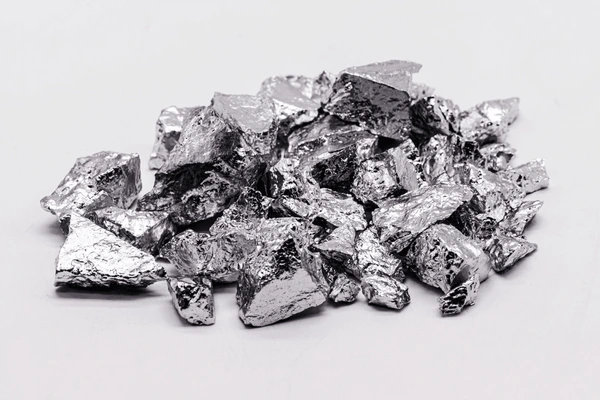
The Versatile Applications of Aluminum: From Aerospace to Everyday Items
Aluminum is one of the most versatile metals known to humankind, being utilized across a wide range of industries, from aerospace to everyday consumer products. Its exceptional strength-to-weight ratio makes it an ideal choice for aerospace engineering, where minimizing weight can lead to significant fuel savings and improved performance. Aircraft manufacturers harness this property to construct airframes, wings, and other critical components that need to withstand extreme conditions while remaining lightweight. Furthermore, the corrosion resistance of aluminum enhances durability, making it a preferred material in aerospace applications.
Beyond the skies, aluminum finds its way into our everyday lives through various consumer goods. Common items such as cans, foils, and kitchen utensils are often made from this metal due to its malleability and resistance to rust. The recycling capabilities of aluminum also contribute to its prominence, as it can be recycled indefinitely without losing its qualities, making it a sustainable choice for manufacturers. From the iconic soda can to the modern laptop casing, the applications of aluminum are not only diverse but also integral to innovation in both industrial and household contexts.
If you're looking for a reliable and stylish way to hold your phone, our Top 10 Aluminum Phone Stands offer a perfect blend of functionality and aesthetics. These stands are designed to provide stability and adjustability, ensuring you can enjoy hands-free use while working, watching videos, or video chatting. With various designs and features, you're sure to find the ideal stand to fit your needs.
Why Aluminum is Key to Sustainable Design in Modern Architecture
Aluminum is emerging as a cornerstone material in the realm of sustainable design, particularly in modern architecture. Renowned for its lightweight nature and durability, aluminum significantly reduces the structural load on buildings, leading to lower energy consumption during both construction and operation. By utilizing aluminum in facades, roofing, and framing, architects are able to create energy-efficient designs that harmonize with ecological principles. Furthermore, aluminum is fully recyclable without losing its quality, promoting a circular economy that aligns with sustainable building practices.
In addition to its recyclability and efficiency, aluminum's aesthetic versatility allows for innovative design solutions that enhance the visual appeal of modern structures. With the ability to be shaped into various forms and finished in a multitude of colors, aluminum can adapt to diverse architectural styles while maintaining low maintenance requirements. As architects continue to prioritize sustainability, aluminum's role as a key material will only grow, fostering designs that are not only functional but also environmentally responsible. In conclusion, incorporating aluminum into modern architecture represents a significant step towards a sustainable future.
How Aluminum Revolutionized Transportation: A Look at the Future of Lightweight Materials
Since its introduction in the early 20th century, aluminum has transformed the transportation industry by offering a lightweight yet incredibly strong alternative to traditional materials like steel. This shift has led to significant improvements in efficiency and performance, from the aviation sector, where aircraft designs have become more streamlined, to automotive manufacturing, where lighter vehicles consume less fuel and emit fewer greenhouse gases. With the continuous advancement in manufacturing processes and the development of aluminum alloys, the future of lightweight materials in transportation looks promising, paving the way for innovations that prioritize sustainability without compromising safety.
As we look ahead, the role of aluminum in the transportation sector is set to expand even further, especially with the rise of electric and autonomous vehicles. The lightweight nature of aluminum allows for larger battery systems without significantly increasing the vehicle's weight, thus improving range and performance. Moreover, industries are exploring new lightweight materials, such as carbon-fiber composites, which could complement or even enhance aluminum's capabilities. As these technologies evolve, we can expect a convergence of materials science and engineering that not only enhances vehicle design but also elevates the entire concept of efficient, eco-friendly transportation.