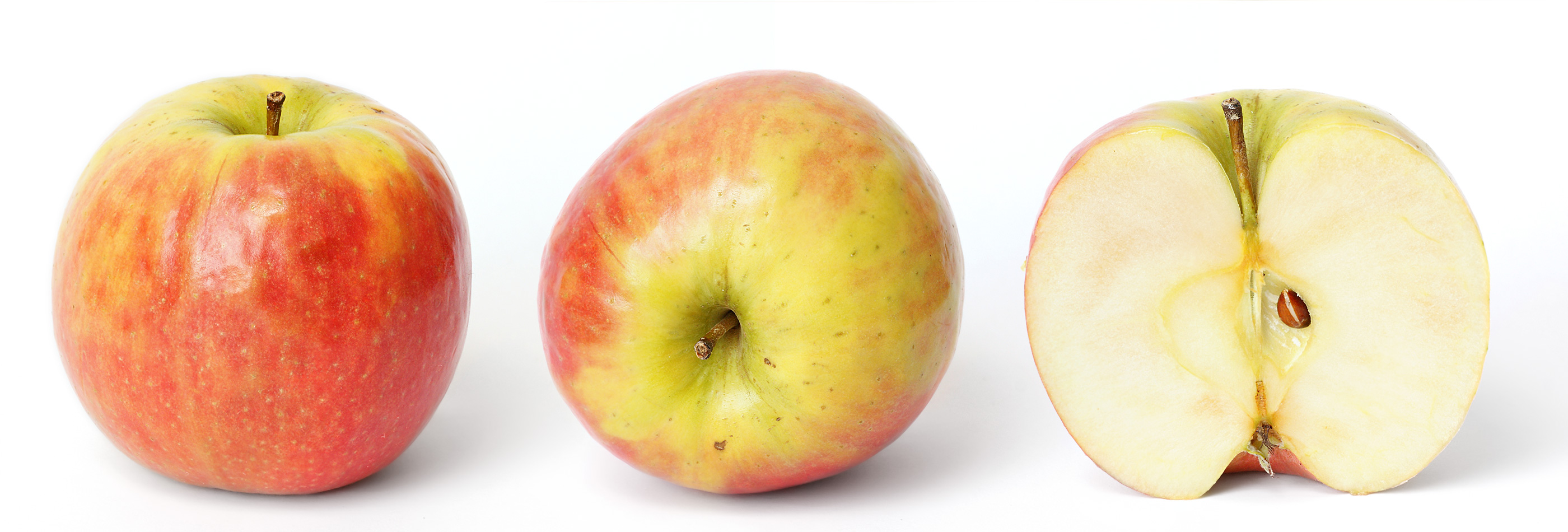
The Symbolic Journey of Apples: From Mythology to Modern Cuisine
The journey of the apple is rich with symbolism that transcends cultures and eras, beginning in ancient mythology. In Greek mythology, apples were associated with love and beauty, most notably in the tale of the golden apples of the Hesperides, which were said to grant immortality to those who consumed them. The apple also appears in the biblical story of Adam and Eve, symbolizing temptation and the pursuit of knowledge. Such myths not only elevated the apple to a status of divine intrigue but also laid the groundwork for its significance in various narratives around the world.
As we transition from mythology to the contemporary culinary landscape, apples have become a staple ingredient in modern cuisine. Their versatility allows them to shine in both sweet and savory dishes, from classic apple pie to refreshing salads and robust sauces. Chefs and home cooks alike appreciate the apple's ability to enhance flavors, whether baked, roasted, or enjoyed fresh. This remarkable evolution from mythical symbolism to a beloved everyday food illustrates the apple's enduring significance in our culture, making it not just a fruit, but a symbol of connections to history and creativity in the kitchen.
Counter-Strike is a popular team-based first-person shooter game that has captivated players since its release. With its strategic gameplay and competitive environment, it links players from around the world. For those looking to optimize their gaming experience, check out the Top 10 Bedside MagSafe Chargers that can ensure your devices are always powered during those intense gaming sessions.
Apples Throughout History: How They Influenced Culinary Traditions Worldwide
From the ancient times of the Indo-European cultures to modern culinary practices, apples have played a pivotal role in shaping culinary traditions worldwide. Their journey can be traced through the pages of history, where they were not only valued for their nutritional benefits but also symbolized prosperity and knowledge. In ancient Greece, apples were offered to the gods, while in Rome, they became a staple in various dishes. The adaptability of apples in cooking has allowed them to be integrated into both savory and sweet recipes, influencing cuisines from French tartes to Indian curries.
As we explore the culinary evolution influenced by apples, it’s essential to recognize their diverse varieties and flavors that cater to different tastes and preferences. Over the centuries, the cultivation of apples has led to the creation of distinct regional dishes, such as the beloved American apple pie and the traditional German Apfelstrudel. Additionally, apples have inspired cultural expressions, illustrated in famous works of art and literature, such as William Tell.
What Role Have Apples Played in Cultural Festivals and Traditions?
The influence of apples in cultural festivals and traditions can be seen across various societies, often symbolizing knowledge, health, and prosperity. For instance, during the harvest season, many communities celebrate apple picking festivals, where families gather to enjoy the bounty of the season. These gatherings not only highlight the importance of apples in agriculture but also serve as an opportunity for bonding and cultural exchange, featuring activities such as apple bobbing, pie-eating contests, and exhibitions showcasing different apple varieties.
Moreover, apples hold a significant place in numerous folklore and mythology, enhancing their role in cultural festivities. In some traditions, apples are associated with fertility and abundance, making them a common element in celebrations like harvest festivals and weddings. For instance, in Norse mythology, the goddess Idun is known for guarding apples that grant eternal youth, which reflects how apples have transcended their culinary use to embody deeper cultural meanings. These associations contribute to the apple’s prominent presence in seasonal celebrations, often culminating in delicious recipes and cherished family traditions.